Introduction
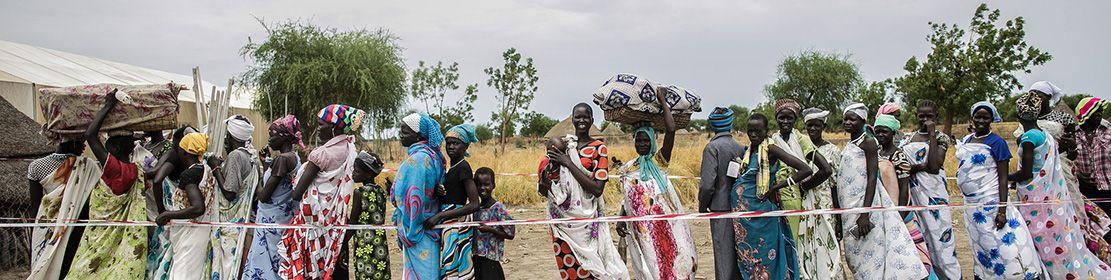
Every year, millions of people are forced to leave their homes due to conflict, violence, human rights violations, persecution, disasters, and the impact of climate change. The number of forcibly displaced persons reached unprecedented heights in 2024, calling for increased humanitarian assistance.
As of May 2024, the number of forcibly displaced people in the world has reached a staggering 120 million, marking another historic increase and the twelfth consecutive annual rise in the global figures for forced displacement. The number of refugees and persons in need of international protection climbed to 43.4 million, while the number of internally displaced persons rose to 68.3 million.
Almost three in four refugees (73%) originated from just five countries: Afghanistan, Venezuela, Syria, Ukraine, and Sudan.
The EU is the leading international donor in situations of forced displacement.
What are the needs?
75% of the world’s refugees are hosted in low and middle-income countries, which puts a strain on host communities and resources. Their survival depends on the availability of assistance provided by the authorities, local communities, and humanitarian organisations.
Refugees, asylum seekers, vulnerable migrants, and internally displaced persons often face protection challenges and lack access to shelter, food, and other basic services.
This can be a result of their fragile legal status in the countries where they are currently living. The most vulnerable people are often hard to reach, as they try to avoid violence, exploitation, abuse, detention, or arrest.

In urban areas, they struggle with poverty, lack of psychosocial support and various challenges in normalising their legal status. Violence, abuse, and exploitation against them often peak in the aftermath of new emergencies.
Finding durable solutions for the forcibly displaced is a challenge. Voluntary repatriation to their home countries is the preferred long-term outcome for refugees, but the lack of political solutions to conflicts, recurrent violence, and instability prevent many from doing so.
Forced displacement is no longer a temporary phenomenon, as it has become increasingly protracted. Displacement lasts 20 years on average for refugees and more than 10 years for most IDPs.
How are we helping?
The EU is a leading international donor in situations of forced displacement. In 2023, the European Commission allocated most of its humanitarian budget of €1.7 billion to projects that addressed the needs of forcibly displaced persons and their host communities.
This funding helped meet the most urgent needs of extremely vulnerable populations, including women, children, and people with disabilities. It protected and supported them during displacement and when returning to their homes.
Thanks to this support, the EU’s humanitarian partners were able to help forcibly displaced populations accessing shelter, protection, food, and basic services such as health care, nutritional assistance, safe water, sanitation, and education.
About 35% of the EU’s humanitarian aid reaches forcibly displaced persons in the form of cash transfers (debit cards, mobile transfers, and cash in hand). Cash provides displaced populations with a sense of dignity and independence and serves to tighten links with local communities, as aid money is spent in small local businesses.
More than half of the projects in education in emergencies supported refugee and internally displaced children.
Examples of EU humanitarian aid to forcibly displaced people
The EU’s assistance to forcibly displaced persons is making a difference in the lives of many, including:
- Syrian refugees in Türkiye, Lebanon, and Jordan, as well as displaced persons within Syria;
- Ukrainian refugees in Poland, Romania, and Moldova, and IDPs within Ukraine;
- Afghan refugees in Iran and Pakistan;
- Sudanese refugees in Chad, as well as those displaced by the conflict within Sudan.
- Venezuelan refugees and migrants in the region;
- Rohingya refugees in Bangladesh;
- unaccompanied minors and other vulnerable groups of refugees, IDPs, migrants and asylum seekers in North Africa.
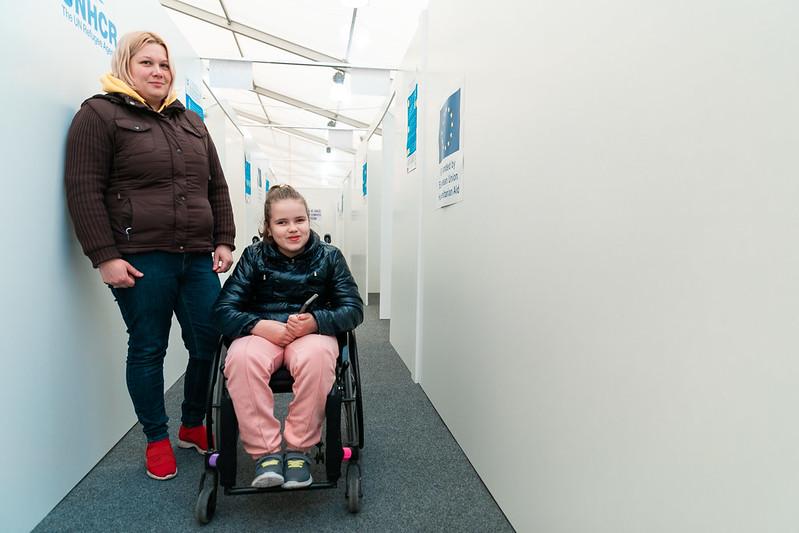
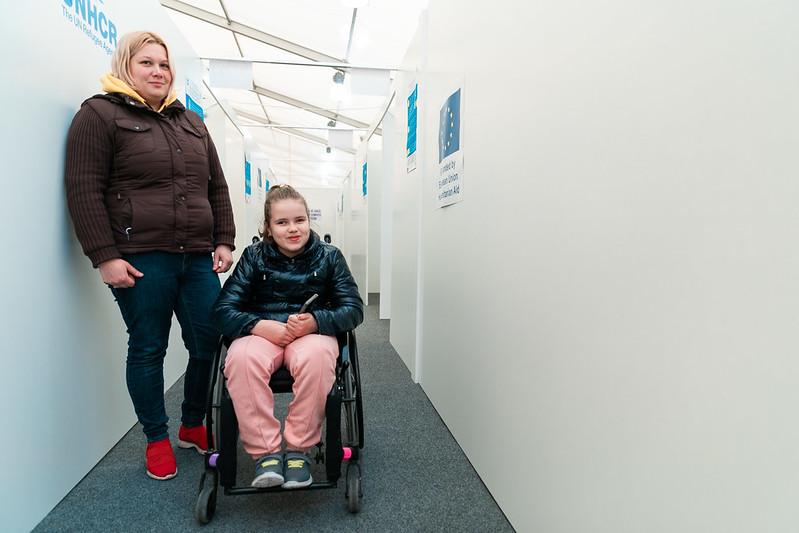
Forced displacement 02Ukrainian refugees in Moldova - Olga and her daughter Zlata are registering as refugees with the United Nations High Commissioner for Refugees (UNHCR) in Chisinau, Moldova. The UNHCR is a humanitarian aid partner of the European Union. 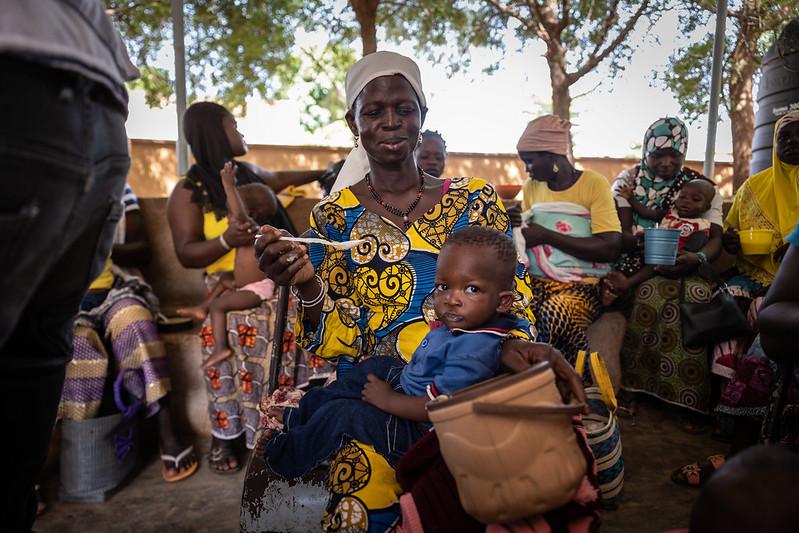
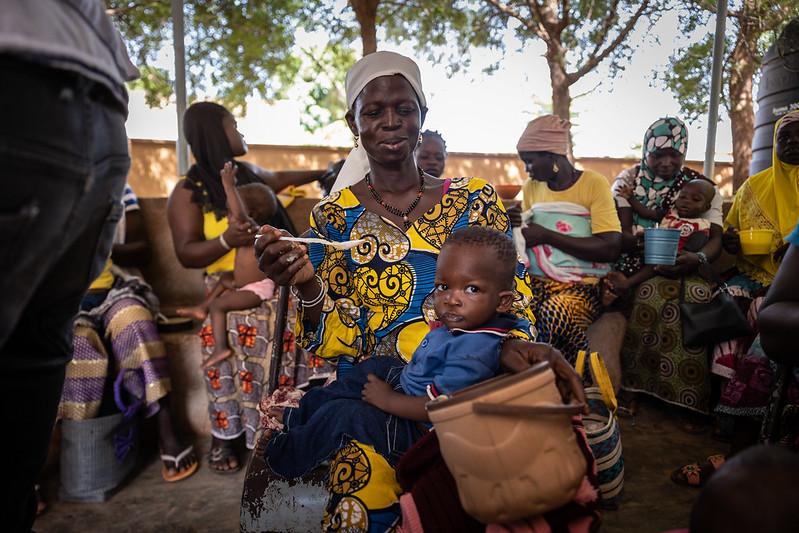
Forced displacement 03Internally displaced persons in Burkina Faso - At least 1.7 million people in Burkina Faso are internally displaced due to the ongoing violence - including almost 900,000 children (as of September 2022), according to government figures. 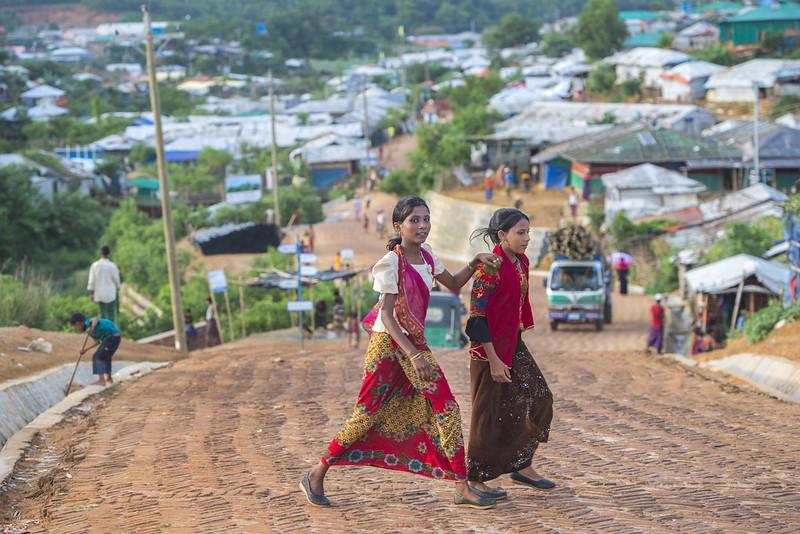
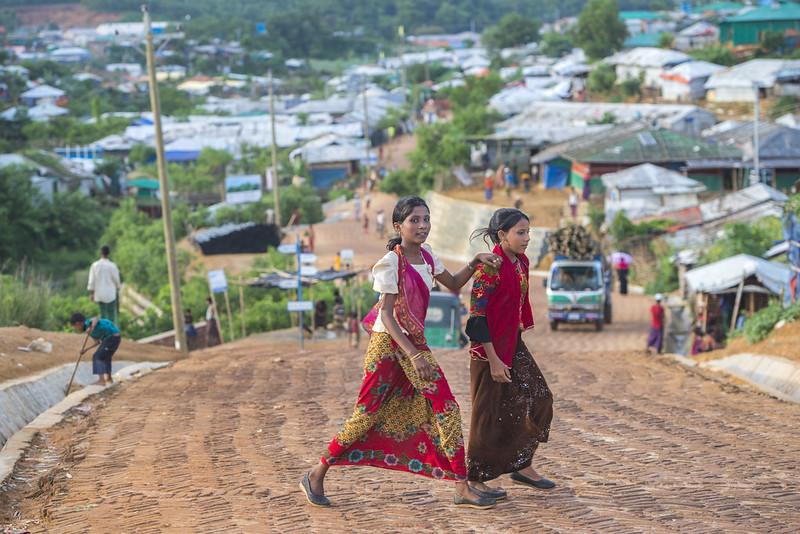
Forced displacement 04Rohingya refugees in Bangladesh - The sprawling camps around Cox’s Bazar make up the world’s largest refugee settlement. 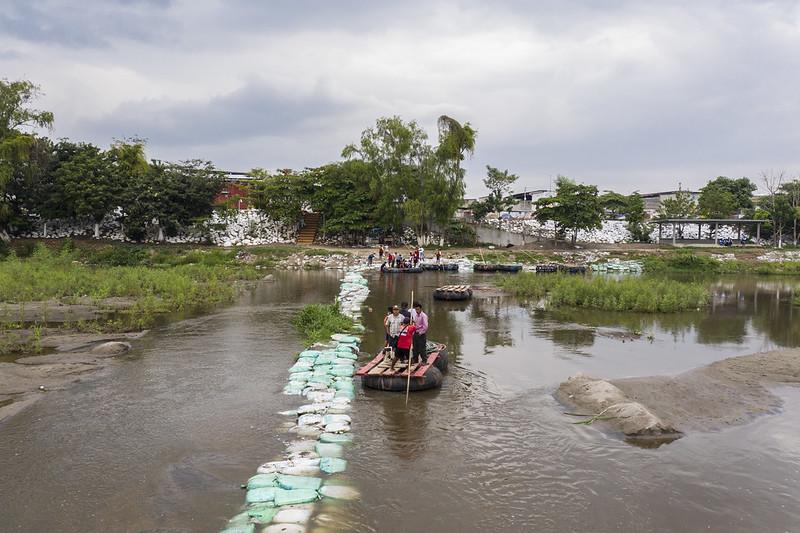
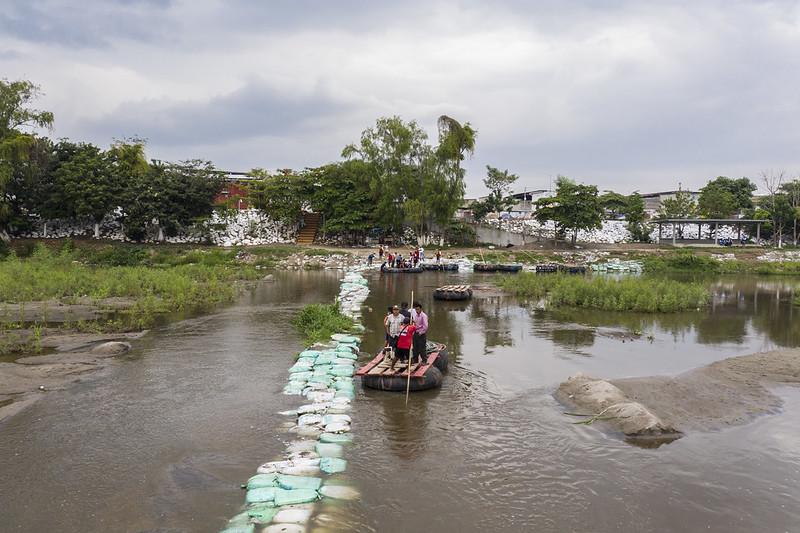
Forced displacement 05Venezuelan migrants and children on the move - Every day, hundreds of people in Latin America and the Caribbean flee their countries, searching for safety and better opportunities.
EU humanitarian aid also targets IDPs in Nigeria, South Sudan, Iraq, Ethiopia, and Yemen, among others.
In April 2016, the European Commission adopted the Communication 'Lives in Dignity: from Aid-dependence to Self-reliance. Forced Displacement and Development', which presented a development-led approach to forced displacement.
The objective is to strengthen the resilience and self-reliance of both the displaced and their host communities, working with host governments and local actors to support the gradual socio-economic inclusion of refugees and IDPs.
The approach aims to harness the productive capacities of refugees and IDPs by helping them access education, health care, housing, land, livelihood support, legal protection, and other basic services.
The EU also funds partners (including the Norwegian Refugee Council and the Danish Refugee Council) to support people in mixed migration settings such as in Tunisia, Egypt, and Libya. These partners help strengthen community protection networks (composed of IDPs and representatives from host communities) and local legal providers.
Partnerships and policy
The Commission channels its financial support to partners that work at addressing the needs of refugees, IDPs, migrants and host communities in affected countries. The EU’s main humanitarian partners include the UN Refugee Agency (UNHCR), the International Organization for Migration (IOM), the Red Cross and Red Crescent movement, as well as international non-governmental organisations.
To ensure more predictable and equitable responsibility-sharing among states, the EU supports the implementation of the Global Compact on Refugees. Adopted in 2018, the Global Compact builds on the Comprehensive Refugee Response Framework (CRRF), which was rolled out in several countries in 2017 and 2018 for greater support to refugees and host countries. The EU took part in the 2023 Global Refugee Forum, during which it announced 15 ambitious and forward-looking pledges.
The EU strongly supports the Guiding Principles on Internal Displacement, and systematically promotes the inclusion of these principles in international and national law. In addition, the EU supported the work of the United Nations Secretary-General’s (UNSG) High Level Panel on Internal Displacement, which submitted its recommendations in September 2021, and resulted in the launch in June 2022 of the UNSG Action Agenda on Internal Displacement.
From July 2022 to December 2023, the EU held the Presidency of the Platform on Disaster Displacement, a state-led initiative working towards better protection for people displaced as a result of disasters and climate change.
Last updated: 20/06/2024
Facts & figures
120 million forcibly displaced people worldwide:
- 43.4 million refugees and persons in need of international protection
- 68.3 million internally displaced persons
Around 2/3 of refugees live in poverty
75% of refugees are hosted in low- and middle-income countries and 20% in least developed countries
Top 3 refugee hosting countries:
- Iran (3.4 million)
- Türkiye (3.4 million)
- Germany (2.5 million)
6.1 million displaced persons returned to their areas or countries of origin in 2023, including 5.1 million internally displaced people and over 1 million refugees
European Commission humanitarian funding:
Most of the humanitarian budget of €1.7 billion spent to help forcibly displaced populations and their host communities in 2023
Related information
- Staff working document - Addressing displacement and migration related to disasters, climate change and environmental degradation
- EU pledges announced at the 2023 Global Refugee Forum
- Development, Refugees and IDPs - Issues Paper
- Communication: "Lives in Dignity: from Aid–dependence to Self-reliance"
- Staff working document - Communication: "Lives in Dignity: from Aid–dependence to Self-reliance"