Introduction
People in Lebanon, including refugees, are experiencing high levels of poverty and food insecurity while having limited access to services.
As prices skyrocket due to the severe economic crisis, nearly 2 million Lebanese and Syrian refugees are food insecure. This number is expected to rise further.
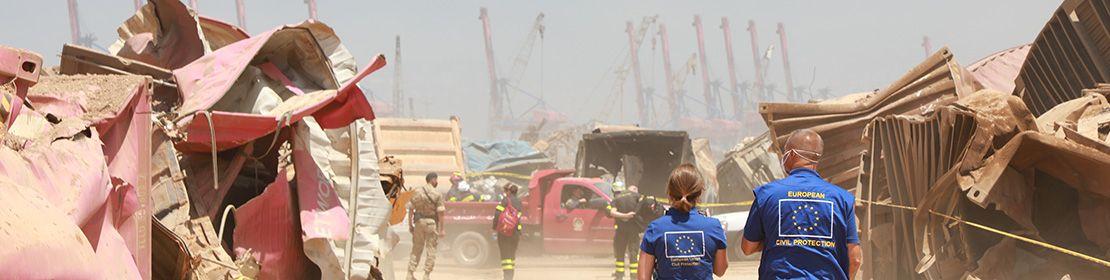
Lebanon has also struggled with emergencies like the Beirut port blast, COVID-19, and the cholera outbreak in autumn 2022.
More recently, on 7 October, the Hamas-launched attack on Israel and the subsequent Israeli troops’ retaliation, swiftly escalated tensions at the Southern Lebanese border. This resulted in incursions, shelling, and exchanges of fire.
The ongoing clashes triggered population displacement from areas bordering Israel, forcing over 92,000 individuals to leave their homes.
What are the needs?
Lebanon is in the grip of a severe financial, economic, and political crisis, resulting in widespread poverty, the collapse of public services, and escalating community tensions.
The situation is further exacerbated by:
- the ongoing conflict between Hezbollah and other factions at the southern border
- a persistent political deadlock
- a rising anti-refugee rhetoric at all levels.
Lebanon is one of the countries with the highest number of refugees per capita in the world. Around 20% of Syrian refugee families live in informal settlements and collective shelters, often in deplorable conditions.
The crisis has also pushed many Lebanese into poverty. Due to the deprecation of the Lebanese pound and high inflation, people’s purchasing power has significantly decreased.
Needs assessments show that all population groups struggle to cover their basic needs, particularly in terms of food and health care. Public services were already struggling before the economic crisis and are now on the verge of collapse.
Access to health care has been drastically reduced due to financial barriers and lack of medicine. Many health staff have left the country due to low wages, making it even harder to access critical secondary health care.
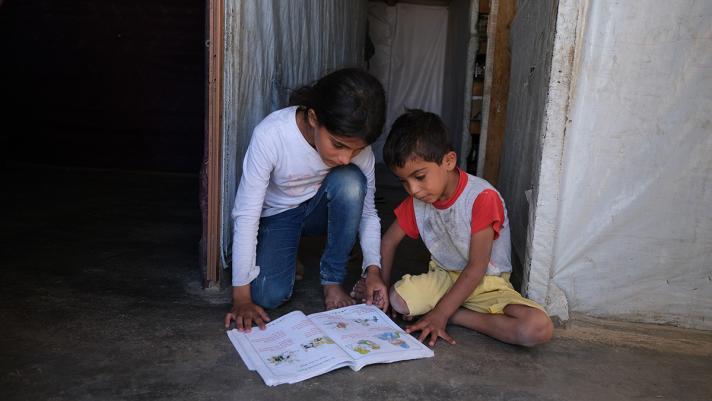
More than 10% of the 1.2 million school-aged Lebanese children are out of school, mainly due to economic vulnerabilities. Additionally, 54% of the 715,000 Syrian refugee children are out of formal education, with only 47,000 of them accessing some form of non-formal education.
Nearly 8,500 primary and secondary school students – many of whom are Syrian refugees and asylum seekers – have been affected by regular disruptions of access to education.
The ongoing conflict has intensified the pre-existing needs for services among both vulnerable Lebanese and non-Lebanese population.

How are we helping?
In 2023, the EU provided €67 million in humanitarian aid to help vulnerable populations in Lebanon.
Since 2011, the EU allocated over €867 million in humanitarian aid to respond to the urgent needs of the population, both Lebanese and refugees.
Initially, our focus was on Syrian refugees in response to the Syria crisis. However, as the situation worsened for the broader Lebanese population, especially since 2019, EU humanitarian aid is now being delivered both to Syrians and Lebanese who are most in need.
The EU-organised series of Brussels Conferences aim to address the needs of Syrian refugees and host communities in Lebanon. Through our humanitarian funding, we support vulnerable populations to meet their basic needs through health care, education, protection and legal services.
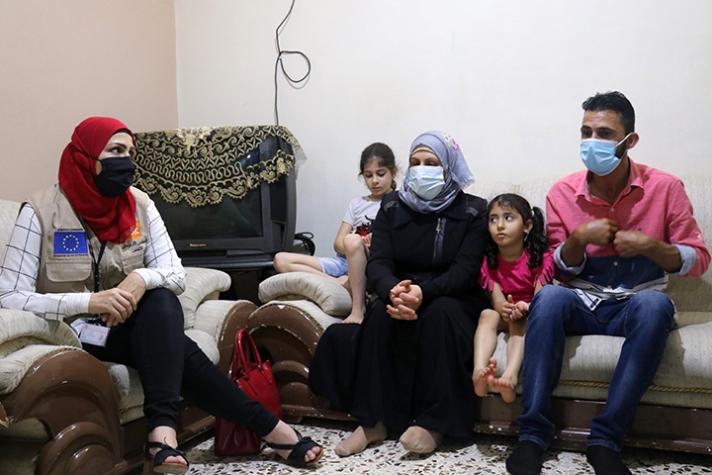
We continue to support services for at-risk children and survivors of sexual and gender-based violence. In addition, we fund the UN Refugee Agency and other partners to provide legal aid for obtaining essential documentation and legal residency.
Education in emergencies is a priority for the EU. In Lebanon, we ensure Syrian out-of-school children can access non-formal education while supporting their transition into formal education.
In the health sector, the EU supports access to quality health care, including via the procurement of medicines and life-saving secondary health care for the most vulnerable.
Last updated: 24/04/2024
Facts & figures
People in need of humanitarian assistance:
3.7 million people in need
2.05 million vulnerable Lebanese
1.5 million displaced Syrians of which around 790,000 Syrian refugees registered with UNHCR
489,000 Palestinian refugees
81,500 migrants
(sources: OCHA, UNHCR, and UNRWA)
EU funding:
€67 million in humanitarian aid in 2023
€2.6 billion since 2011, including over €867 million in humanitarian aid