

What is it?
Shelter is a basic human need crucial for survival in case of natural hazards and human-induced disasters, including conflict. It provides security, personal safety and protection from the weather, and prevents health problems and diseases.
Adequate housing, even if temporary, protects people’s dignity and gives them the opportunity to lead a normal life. Shelter is also key to reduce vulnerability and build resilience.
Settlements are not only safe physical spaces but also socially acceptable and socioeconomically viable living environments.
Humanitarian actions on shelter and settlement should focus on addressing people’s shelter needs holistically, rather than simply delivering a product or a cash subsidy for shelter.
Why is this important?
Needs for shelter and settlements are increasing. There were 59.1 million internally displaced people worldwide at the end of 2021. Out of them, 53.2 million were displaced due to conflict and violence in 59 countries, while 5.9 million were displaced as a result of disasters.
Humanitarian organisations help affected communities through immediate shelter response to a disaster or in anticipation of one. They provide technical support and capacity building, financial assistance (including cash assistance and rental support) as well as building supplies.
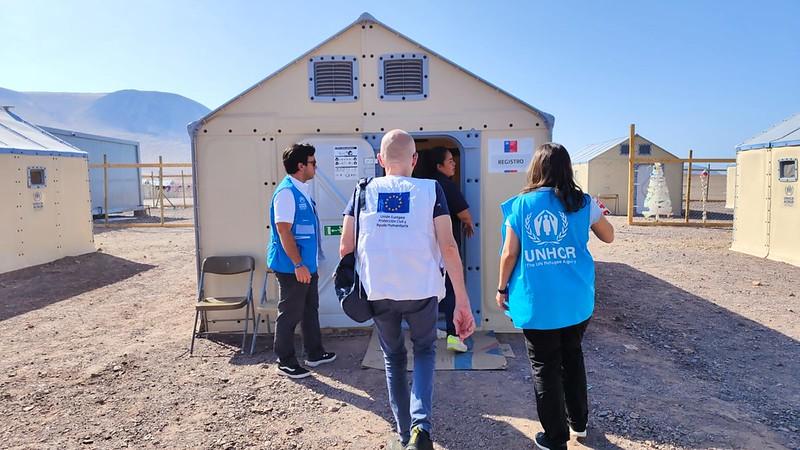
Basic transitional shelter often remains people’s only home for many years. These structures usually serve as a foundation for future expanded and reinforced housing.
It is crucial to build back in a safer way in countries that are prone to disasters. This means that qualified technical support should be provided to improve the skills and abilities of the local construction industry.
Reliable shelter enforces makes communities more resilient, reducing their vulnerability. Shelter is often considered the most important asset in securing their means to earn a living.
How are we helping?
The EU allocates between 7% and 20% of its civil protection and humanitarian aid annual funding for shelter and settlements assistance. We do this either by financing humanitarian partners or through the operations led by the EU Civil Protection Mechanism.
The EU provides humanitarian shelter and settlements support as an immediate response to, or in anticipation of, a disaster.
Due to the importance of adequate housing, the EU may also decide to support shelter in the recovery phase, if the reconstruction or maintenance of shelter and settlements addresses the health, protection or livelihood needs of the affected population.
EU policies on shelter and settlements
Building on best practices in the sector, the European Commission published the Humanitarian Shelter and Settlement Guidelines in 2017. The aim is to ensure that vulnerable people’s shelter needs are met in an optimal and efficient way.
These guidelines cover the EU’s Civil Protection and Humanitarian Aid shelter policy in natural hazard and conflict settings.
The EU also supports the Global Shelter Cluster, a coordination mechanism helping people affected by natural hazards and displaced population affected by conflict by providing them with the means to live in safe, dignified and appropriate shelter.
The role of civil protection
Civil protection usually provides material assistance. However, the EU Civil Protection Mechanism can also deploy specialised response teams and experts to complement the humanitarian response to a disaster.
Within the rescEU programme of the Mechanism, the EU rapidly created a large emergency reserve of shelter. It has the capacity to host up to 36,000 people and has been partially deployed to EU countries, Ukraine, and Türkiye.
In the long term, the EU is building a shelter reserve with 6 EU Member States and participating states in the Mechanism.
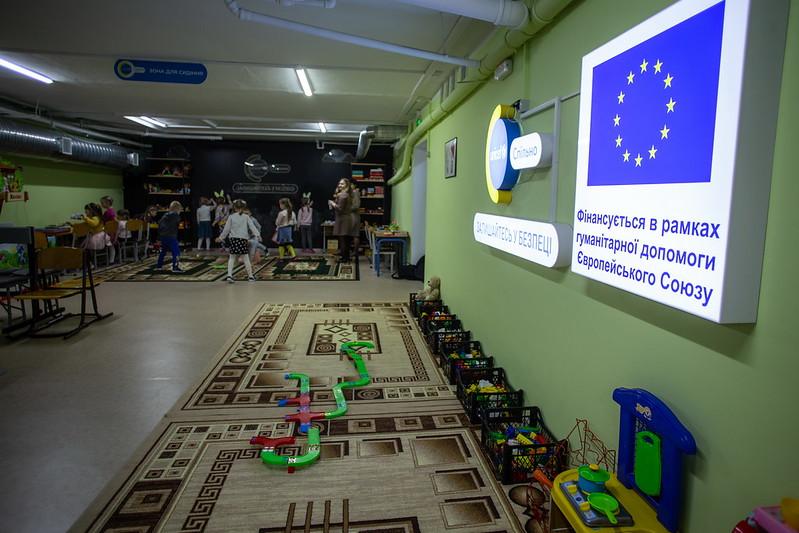
These shelter reserves will create an added layer of support for countries affected by emergencies. They will also include the relevant facilities such as toilets, showers, cooking spaces or communal areas, particularly for the children.
Last updated: 04/05/2023
Facts & figures
59.1 million internally displaced people across the world at the end of 2021, of which:
53.2 million people internally displaced due to conflict and violence in 59 countries
5.9 million people internally displaced by disasters across 104 countries.
(IDMC Global Report on Internal Displacement 2022)