
Introduction
Central Asia is a region made up of 5 republics: Kyrgyzstan, Kazakhstan, Tajikistan, Turkmenistan and Uzbekistan. Their inhabitants are exposed to natural hazards, from earthquakes to floods, as well as chronic water shortages.
Moreover, the region is prone to climate-related conflicts, which often stem from water disputes. These disasters cause loss of life, destroy homes and resources, and hinder long-term development.
In addition to a severe spring drought of 2021, the situation in Afghanistan and the effects of Russia’s war against Ukraine have led to new displacement streams into Central Asia.
What are the needs?
The region is particularly vulnerable to natural hazards. This is due to the impact of climate change, coupled with the diverse geography of Central Asia, ranging from mountains, steppes and deserts to large river systems.
Although some countries are better equipped than others, disaster risk reduction has become a priority for the entire region. While there has been significant progress in the last years, Central Asia still needs to strengthen its disaster management capacity.
Due to the ongoing situation in Afghanistan, Central Asia may experience a rise in the number of arrivals and asylum applications from Afghanistan, with Tajikistan receiving the highest number. Regional contingency plans, stockpiling and replenishment of essential assets are key to meeting needs for newly arrived refugees.

How are we helping?
The EU launched its humanitarian operations in Central Asia in 1994, in response to the needs generated by the civil war in Tajikistan. Since then, the EU has allocated nearly €232 million in humanitarian assistance to Central Asia.
In 2022, the EU allocated over €3.1 million in response to emergencies in Central Asia. This included:
- responding to the 2022 border conflict between Kyrgyzstan and Tajikistan
- helping vulnerable communities and national institutions anticipate and prepare for various humanitarian crises, including public health emergencies.
In 2021, the EU also released €1 million to support those affected by various humanitarian crises.
Earlier in 2020, Austria, Lithuania and Poland provided half a million COVID-19 vaccine doses to Kyrgyzstan, Tajikistan and Uzbekistan through the EU Civil Protection Mechanism.
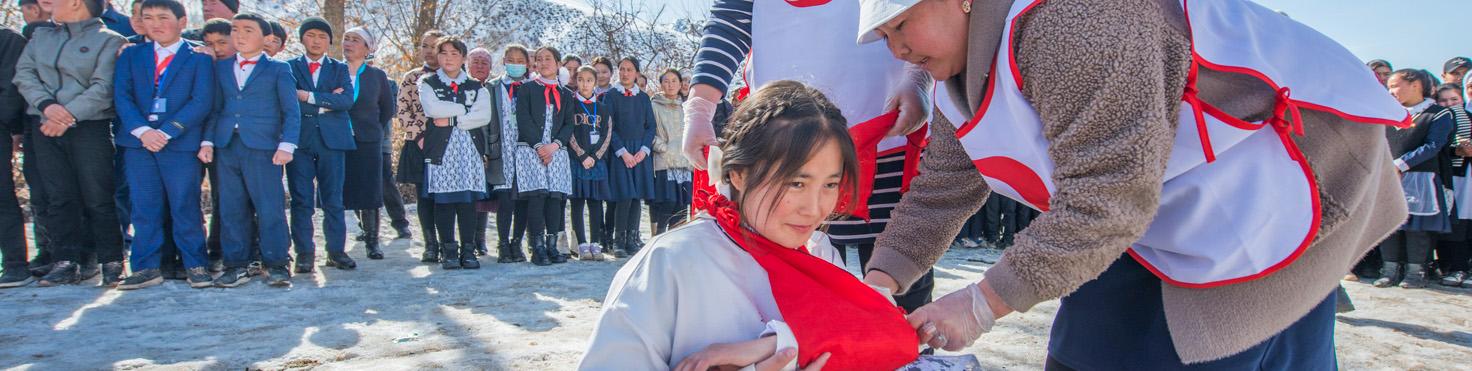
Between 2003 and 2018, the EU built up its support to disaster preparedness activities in the region, including its flagship programme, called DIPECHO. In total, the EU funded over 110 projects worth approximately €47 million, prioritising people living in areas that are highly vulnerable to natural hazards.
The EU also assisted in creating a regional disaster risk reduction centre in Almaty, Kazakhstan, including training for its staff. The aim was to promote cooperation amongst the Central Asian countries and other institutions, including the EU’s Emergency Response Coordination Centre in Brussels.
The DIPECHO programme also promoted the integration of disaster risk reduction measures into local and national development plans and budgets while encouraging development partners to adopt disaster risk reduction as one of their priorities.
Last updated: 10/05/2023