
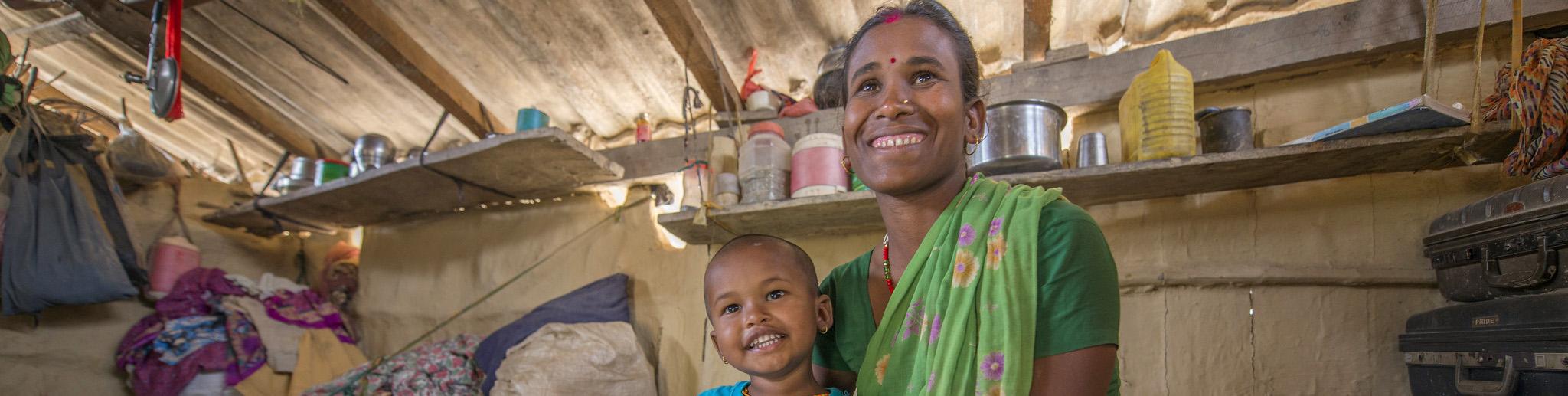
Introduction
Nepal is one of the world’s most disaster-prone countries due to its location and climatic conditions. The intensity and frequency of some of these disasters are increasing due to climate change.
Natural hazards cost lives and destroy homes and infrastructure each year, and disproportionally affect the most disadvantaged, vulnerable, and marginalised population groups.
The EU supports disaster preparedness initiatives to protect vulnerable populations in Nepal and humanitarian emergency interventions in case of sudden disasters.
What are the needs?
Every year, during the monsoon season, landslides and floods result in casualties in Nepal. The threat of, fires, glacial lake outburst floods, avalanches, and cold and heat waves always looms large.
Climate change increases the frequency and intensity of natural hazards, such as flash floods and landslides. This increases the burdens on the population, especially the most vulnerable.

Nepal is also one of the most vulnerable countries in the world to earthquakes. The capital, Kathmandu, is one of the most at-risk cities. Since a powerful 7.8-magnitude earthquake struck Nepal in 2015, killing nearly 9,000 people and destroying more than 600,000 houses. There has also been a marked increase in landslides.
The hills, weakened by the quake, become dangerously unstable when saturated by heavy rains. Deforestation, inadequate road construction, and population growth further exacerbate the situation.

How are we helping?
The EU is committed to supporting those in need across Nepal.
For 2024-2025, the EU has allocated €4 million to respond to natural hazards and strengthen disaster preparedness.
This brings the total humanitarian funding to over €124 million since 2001, of which, more than €40 million supported disaster preparedness and risk reduction activities.

Due to the increased disaster risks posed by the climate crisis, EU humanitarian funding in Nepal focuses on initiatives that strengthen the disaster preparedness of local institutions. Key priorities include strengthening the emergency response capacity of rural and urban municipal authorities to:
- manage natural hazards such as floods, landslides, fires, and earthquakes,
- prepare for potential mass casualties from such events.
Specific programmes focus on assessing the potential risk of floods and assisting communities before they occur. The funding also improves the preparedness and response capacities of the government to enable a timely, effective, and targeted response in the aftermath of emergencies.
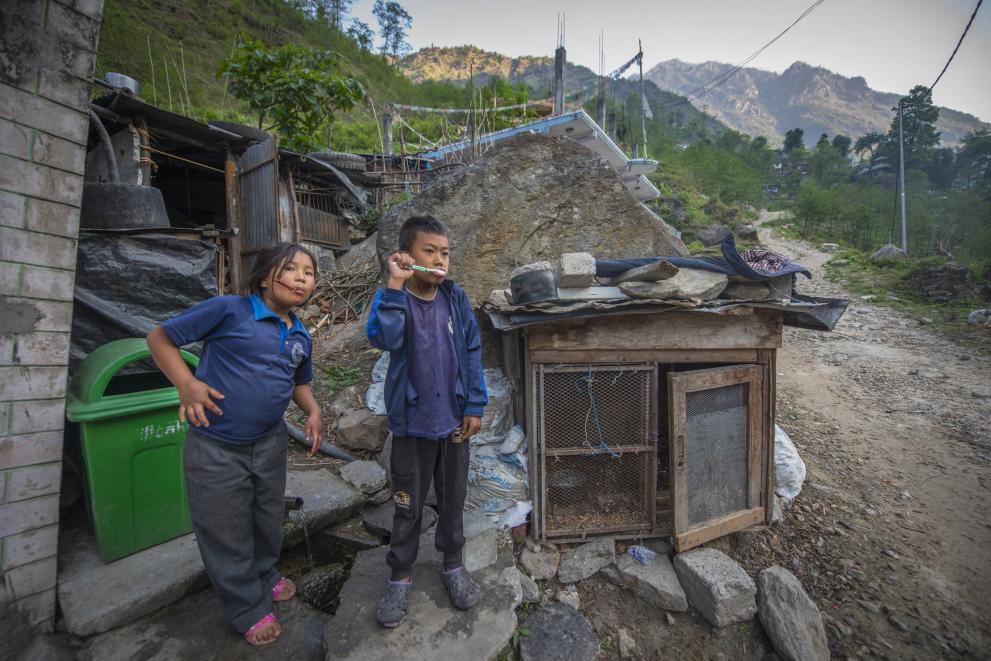
Nepal is one of the world’s most prone to floods, landslides, earthquakes, and fires. The EU works with partners on the ground to ensure better preparedness and response to disasters in the country.
Present in the country since 2001
EU humanitarian aid has been present in Nepal since 2001, providing humanitarian assistance to people affected by conflict and major natural hazards, including the devastating 7.8-magnitude earthquake in 2015, which claimed close to 9,000 lives and destroyed more than half a million homes.
During Nepal’s internal conflict and until 2011, EU humanitarian actions supported thousands of conflict-affected people, especially in rural areas, by providing healthcare, water, and sanitation facilities. The EU also assisted refugees from Bhutan for more than 10 years until 2015.
Last updated: 02/02/2024
Facts & figures
21,400 people of concern (UNHCR)
EU humanitarian funding:
€4 million in 2024-2025
Over €124 million since 2001