Introduction
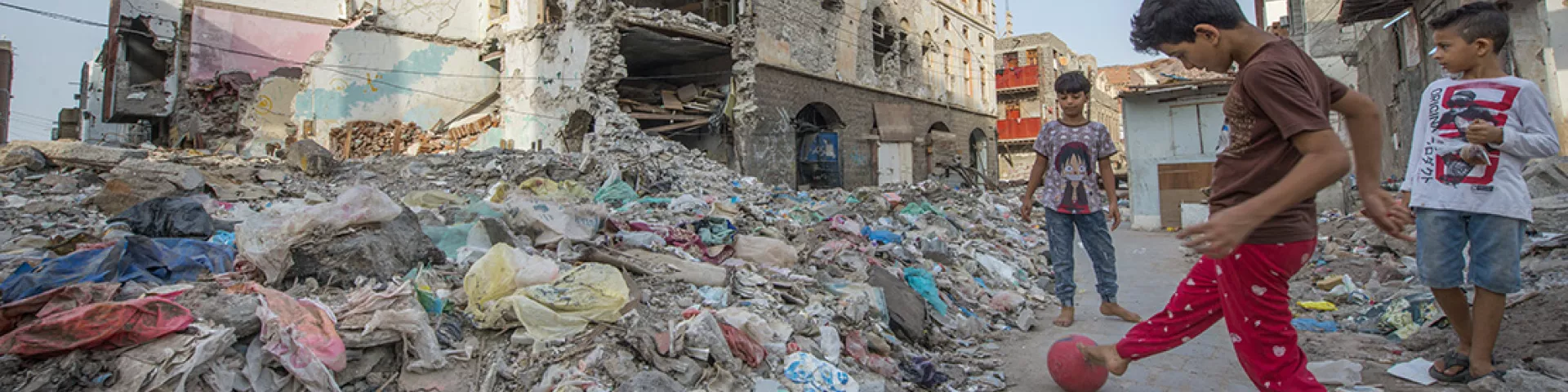
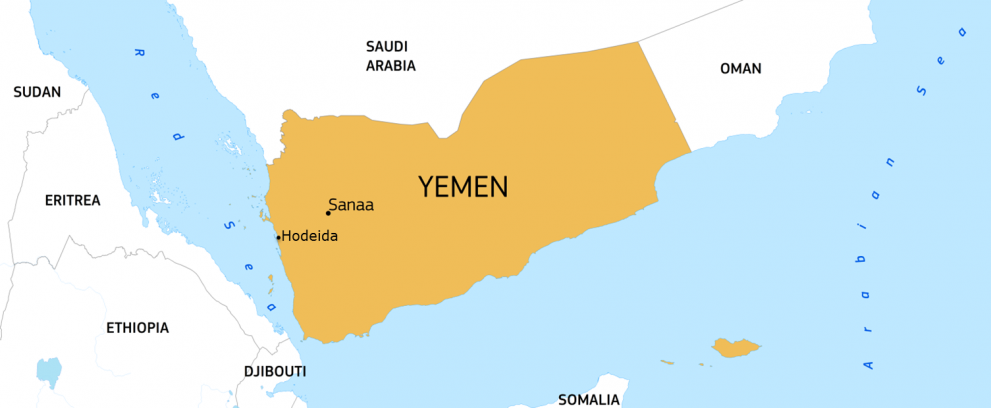
After the country approaches almost a decade of war, Yemen remains one of the world’s worst humanitarian crises. Despite the de facto continuation of the UN-brokered truce, the military escalation in the Red Sea is significantly impacting the already dire humanitarian situation in the country.
There has been a disruption in the shipment of life-saving assistance and the cost of food and fuel has increased. Humanitarian needs are on the rise with worsening food security and cholera surges amid low levels of funding.
What are the needs?
In 2024, 18.2 million people in Yemen - more than 1/2 of the population - need humanitarian assistance and protection services. Countrywide, 17.6 million people suffer from acute food insecurity. Yemen is also experiencing some of the highest malnutrition rates ever recorded, with nearly 1/2 of all children under the age of 5 experiencing moderate to severe stunting.
The health system has nearly collapsed, and extreme health needs persist. Limited water availability and growing levels of vaccine hesitancy led to recurrent epidemic outbreaks of transmissible diseases, including cholera, measles and polio. Yemen is also the world’s 3th most vulnerable country to climate change and least prepared for climate shocks. Extreme climate events are expected to affect the most vulnerable in years to come.

Yemen is one of the most heavily mine-affected countries in the world, posing a daily threat to civilians. Specific population groups face additional protection concerns. This includes socially excluded groups, persons with disabilities and Internally Displaced People (IDPs).
Over 4.5 million people are displaced, including many living in protracted displacement since the beginning of the conflict. IDPs need shelter solutions and basic household items. The protection of migrants, refugees and asylum seekers also remains of great concern. They continue to travel along the eastern migration route facing various threats. There are reported cases of mass killings, Gender Based Violence, arbitrary detention and trafficking.
The humanitarian operating environment continues to deteriorate across the country. Access constraints, bureaucratic impediments and insecurity remain daily challenges for humanitarian actors. The targeted restrictions of movement of female aid workers also dramatically hampers the delivery of aid.
How are we helping?
Since the beginning of the war in 2015, the EU has contributed almost €1.5 billion to respond to the crisis in Yemen. This includes over €1 billion in humanitarian aid and €487 million in development assistance. The European Commission is the 2nd largest donor to the Yemen Humanitarian Response Plan, European Member States are also large contributors.
In 2024, the EU allocated €125 million in humanitarian aid to support the most vulnerable and disadvantaged communities in frontline governorates, hard-to-reach areas and displacement sites across Yemen. The EU also supports communities in Yemen affected by climate shocks.

The assistance provided through EU’s humanitarian partners includes protection, food security, integrated health and nutrition, water, sanitation and hygiene, shelter and settlement, education in emergencies, disaster preparedness and rapid emergency response. Conflict-affected people who have suffered bodily harm and psychological shock, including from mines and unexploded ordnances, are assisted with comprehensive rehabilitation services. Humanitarian partners also provide mine clearance and mine risk education.
A significant portion of the EU’s humanitarian assistance is supported through cash transfers to aid recipients, widely recognised as the most efficient, effective and dignified modality of humanitarian assistance.

Finally, effective coordination and efficient logistical service are critical to support the delivery of quality humanitarian aid. The EU support to the United Nations Humanitarian Air Services (UNHAS) allows humanitarian aid workers to access populations in need.
Last updated: 07/05/2024
Facts & figures
18.2 million people need humanitarian assistance and protection services (HNO, 2024)
17.6 million people face crisis levels of food insecurity (HNO, 2024)
5 million children under 5 years old and 2.7 million pregnant and lactating women suffer from acute malnutrition (HNO, 2024)
17,8 million people require health assistance (HNO, 2024)
17,4 million people need access to safe water, sanitation and hygiene services (HNO, 2024)
EU Humanitarian funding:
€125 million in 2024
€145.12 million in 2023
€1 billion since 2015