What is it?
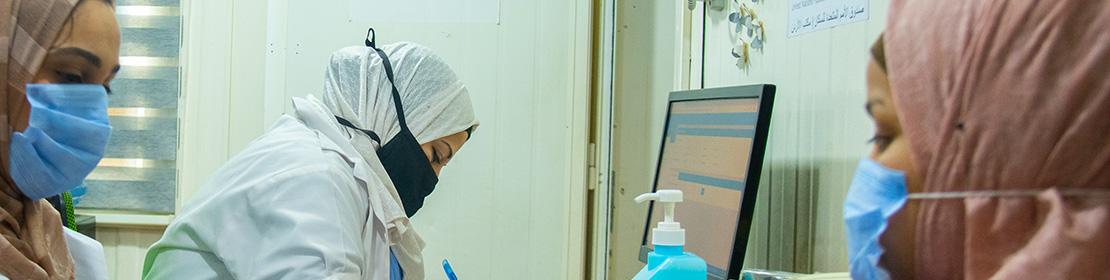
Health is a core sector of humanitarian assistance and a reliable measurement of its impact.
During humanitarian crises, the capacities of healthcare and access to services may be reduced, and the growing morbidity and mortality risks may result in exacerbating health needs requiring external humanitarian assistance. This is notably to address the direct health impacts of violence (e.g. injuries, gender-based violence, trauma), as well as the indirect health impacts (e.g. increased risk of epidemic outbreaks, undernutrition, discontinuation of treatments).
The European Commission aims to provide high-quality humanitarian health assistance to the most vulnerable in fragile contexts by building as much as possible on pre-existing facilities, programmes, and systems. This includes emergency medical assistance, outbreak preparedness and response, sexual and reproductive healthcare, mental health and psychosocial support, strengthening healthcare systems and building local capacity.
Because health is determined by a variety of factors (social, economic, environmental…), increased morbidity and mortality rates and their underlying causes need to inform other sectors for the prioritisation of interventions, such as hygiene promotion, and screening for malnutrition. As such, health is interconnected and promoted for cross-sectorial action with other humanitarian sectors, such as water and sanitation, nutrition, food assistance, protection and forced displacement.

Why is this important?
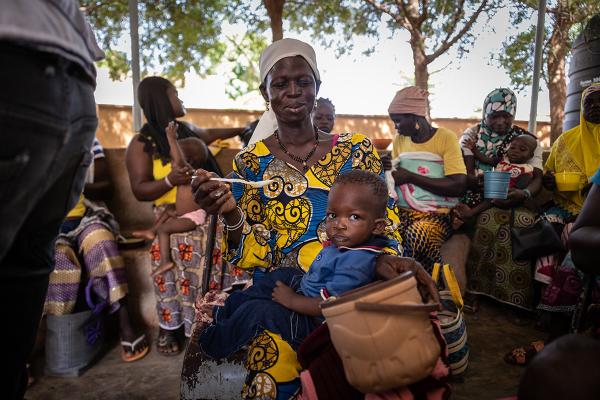
Access to healthcare is a key component of the fundamental human right to health, yet around half of the world’s population (4.5 billion) still lacks access to essential healthcare (UNDP).
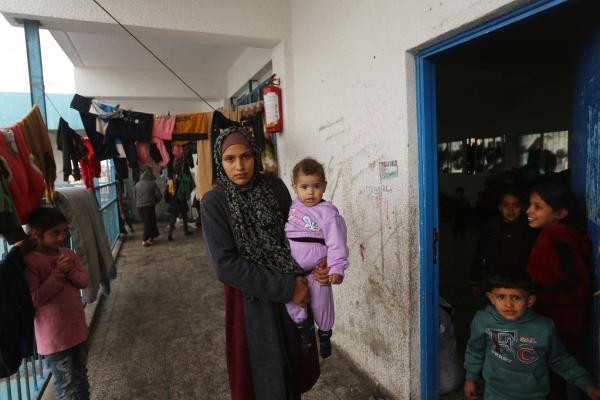
Record levels of global displacement and food insecurity, the increasing impact of climate change and extreme natural hazards, violence and conflict worldwide, and recurrent epidemic outbreaks predict that health needs will rise further, disproportionately affecting the most vulnerable populations living in fragile settings, particularly women and children.
The most frequent medical needs arise from:
- acute respiratory diseases,
- waterborne diseases and diarrhoea,
- complications during pregnancy and delivery, and sexually transmitted infections,
- injuries (including from sexual and gender-based violence),
- malnutrition-related cases,
- vector-borne diseases, notably malaria and dengue fever,
- other vaccine-preventable communicable diseases,
- mental health conditions.
Disrupted health systems aggravate the problem: they often cannot provide prevention and treatment for non-communicable diseases, basic health services, and medical supplies. Prolonged conflicts also severely impact healthcare provision, mainly when health staff and facilities come under attack.
Subsectors of EU’s health aid
The EU allocated €125.5 million to MHPSS in 2019-2023. MHPSS is increasingly needed to build community resilience and support crisis-affected individuals cope with high distress and trauma, including victims of GBV. A horizontal, people-centred, multisectoral approach is followed, encompassing health, protection, education, and gender-based violence. In addition, advocacy efforts to the international community are ongoing for the provision of high-quality services, the implementation of activities along the humanitarian-development-peace nexus, and more research for evidence-based interventions.
The EU allocated €62 million for activities related to epidemic preparedness, prevention, and response globally in 2019-2023. This complements the efforts implemented via the Emergency Toolbox, the rescEU and the European Humanitarian Response Capacity, to address COVID-19, cholera, Ebola, diphtheria, measles, yellow fever and others. In addition, immunisation programmes complementing national campaigns try to address the current under-immunisation rates, affecting 67 million children globally, particularly due to the COVID-19 pandemic.
The EU allocated €258.6 million to primary care in 2019-2023. In emergency situations, primary care is key for essential routine health services, case identification and management, outbreak prevention and response, and disease surveillance. Working with engaged communities and wider multisectoral action, a primary healthcare approach identifies protection cases, develops resilience, and can advance the global aim of achieving universal health coverage and health security.
The EU allocated €259.4 million to health infrastructure rehabilitation and capacity-building in 2019-2023. This includes immediate post-attack interventions, as well as specialised training courses, following international standards, for local healthcare workers, with the aim of creating a sustainable, long-term capacity for early intervention in the case of future sudden emergencies, or in routine healthcare provision.
The EU allocated €179.4 million to SRH in 2019-2023, including the medical response to GBV. The provision of SRH services, including reproductive health kits, is an essential component of any primary healthcare package in humanitarian crises. This includes maternal, newborn, and child health (MNCH). In addition, preventing and responding to gender-based violence is a life-saving priority for the EU. Gender-based violence affects the health and safety of individuals, families, and communities, and predominantly affects women and girls, although GBV against men and boys is also a raising concern.
How are we helping?
The European Commission provides around €300 million annually to support humanitarian health programmes worldwide.
The EU’s humanitarian health funding is governed by its Consolidated Humanitarian Health Guidelines, which help ensure coherence between the departments of the European Commission, EU Member States, other donors, stakeholders and partners providing health assistance in the field.
Recent examples of humanitarian health interventions we fund are:
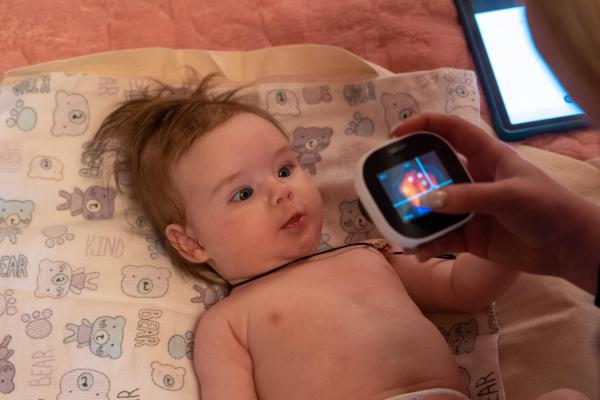
To mobilise medical and public health teams and equipment for rapid response to emergencies, the European Commission and countries joining the EU Civil Protection Mechanism launched the European Medical Corps. Countries can offer specialised health units to support populations hit by disasters inside or outside the EU.
In addition, the European Humanitarian Response Capacity is a new set of operational tools designed to fill gaps in the humanitarian response to sudden-onset natural hazards and human-induced disasters. This includes providing expertise, mainly in the health and logistical sectors.
At European level, medical capacities (staff and resources) are developed and deployed as part of rescEU. This is the European reserve of capacities to protect citizens from disasters and manage emerging risks, such as medical emergencies and chemical, biological, radiological, and nuclear incidents.
Currently, rescEU offers aerial medical evacuation for highly infectious disease patients and disaster victims (MEDEVAC), emergency medical teams and a stockpiling reserve of medical equipment and therapeutics.
Collaboration is also ongoing with the European Centre for Disease Control (ECDC) and the Health Emergency Preparedness and Response Authority (HERA) to coordinate the support of threat detection and health emergency preparedness and response in the area of medical countermeasures, including the possible deployment of experts to emergency areas.

Last updated: 07/04/2024
Facts & figures
50% of the world lacks access to healthcare (WHO)
Over 70% of epidemics occur in fragile, conflict-affected, and vulnerable settings
The annual EU humanitarian health funding is €300 million on average
The largest EU-funded humanitarian health funding interventions in 2023 were Yemen, Syria, Ukraine, Afghanistan, and Sudan.