Introduction
Extreme weather events occur regularly in the Southern Africa and Indian Ocean region. They are becoming more frequent and severe due to climate change. El Niño is expected to exacerbate the risk of drought and cyclones.
These natural hazards result in economic and political challenges, crop pests and diseases, and conflicts. This undermines living conditions, food security, and the livelihoods of millions of people in the region.
Almost 35 million people in the Southern Africa and Indian Ocean region are expected to experience, or are already experiencing, high levels of acute food insecurity in 2023/2024.
What are the needs?
The Southern Africa and Indian Ocean region is prone to both climate-induced disasters (e.g. drought and cyclones) and human-induced hazards caused by armed conflict and violence.
These hazards represent a major risk for exposed populations resulting in:
- the loss of lives and internal displacement,
- destruction of livelihood assets,
- damage to major infrastructure, hampering the delivery of assistance in some severely affected areas.
Russia’s war of aggression against Ukraine will continue to have a direct impact on food security and the inflation of fuel prices in the region.

In Mozambique, a total of 2.2 million people are in need of humanitarian assistance and protection due to armed conflict and insecurity. More than 850,000 people have been forcibly displaced in the country due to the conflict and/or climate events.
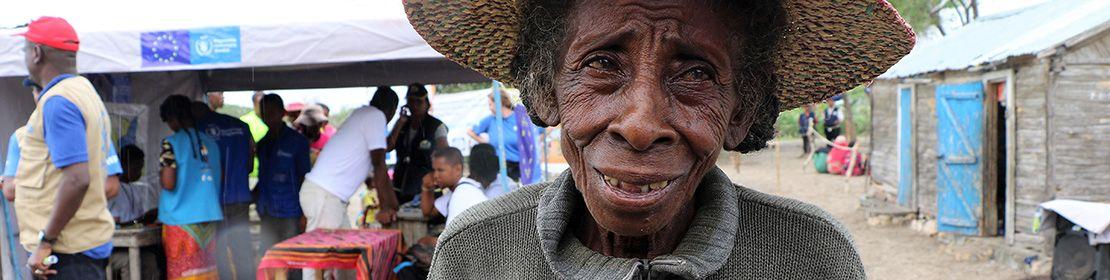
In the Grand Sud and Grand Sud-Est regions of Madagascar, some 2.3 million people are facing acute food insecurity and around 460,000 children are likely to suffer from acute malnutrition.
In Zimbabwe, nearly 4.25 million people (over 25% of the population) are facing food insecurity in 2023/24. They need humanitarian assistance due to the protracted deterioration of the socio-economic situation, further compounded by recurrent climatic shocks.

How are we helping?
In 2024, the EU made an initial allocation of €33.5 million to support humanitarian actions. The most vulnerable populations in Mozambique, Madagascar, and Zimbabwe are the main recipients of emergency aid.
This new funding is reinforcing the humanitarian response provided to the region in 2023, amounting to over €72 million.
With rising needs, the EU allocated emergency humanitarian funding for various emergencies, including €2.642 million to respond to cholera in Zambia and Zimbabwe.
Furthermore, the region is benefitting from the €13.5 million allocated under the IFRC Programmatic Partnership, which includes anticipatory action/disaster preparedness.

EU humanitarian funding in the Southern Africa and Indian Ocean region provides emergency relief response such as:
- food/nutrition assistance,
- protection services,
- access to health care,
- access to drinkable water, sanitation, and hygiene,
- logistics,
- anticipatory action and disaster preparedness.
The EU also supports actions to ensure the continuation of education in humanitarian crises. EU humanitarian funding ensures safe learning spaces and provides adequate education programmes for children in areas affected by violence and displacement.
Attention is increasingly given to disaster preparedness in schools through promoting safe learning facilities, training teachers in early warning, and teaching children how to stay safe. Having emergency stocks on the ground also facilitates and speeds up the response to rapid-onset natural hazards.
We also prioritise, to the extent possible, the swift provision of aid through emergency cash transfers to vulnerable people affected by disasters. This saves people from having to sell their possessions when food runs out.
Preparedness and prompt action can reduce the impact of natural hazards and help prevent loss of life, livelihoods, and property. The EU supports actions that improve the capacity of communities, as well as local and national disaster management authorities, to prepare for and respond to disasters. Reinforcing the logistics capacities is also an integral part of preparedness and response.
Last updated: 25/04/2024
Facts & figures
About 35 million people are experiencing high levels of acute food insecurity
Over 1.5 million people currently internally displaced across the region, with more than 850,000 people forcibly displaced by violence in Cabo Delgado and/or climate events in Mozambique
Over 400,000 refugees in the region, mainly from DRC and Burundi
EU humanitarian funding:
€33.5 million in 2024
€72 million in 2023
€518 million since 2014