

Introduction
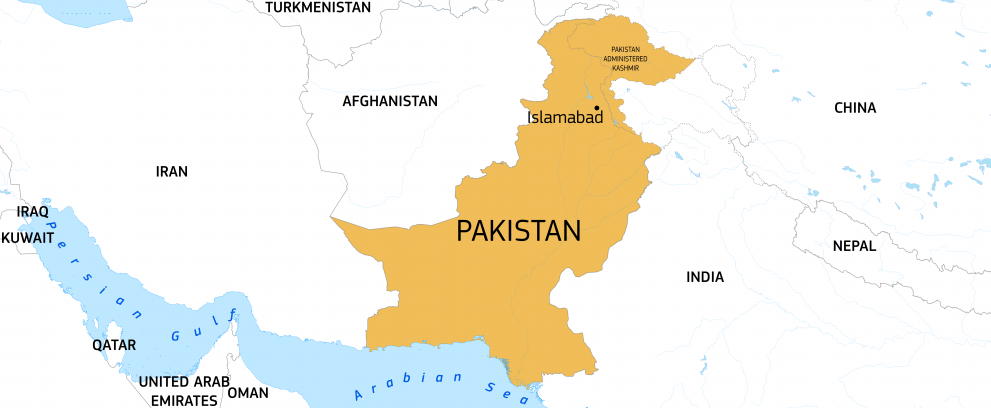
Pakistan is one of the world’s most disaster-prone countries. Due to economic concerns and multiple severe climate shocks, many of over 235 million Pakistanis struggle to access basic services, as well as an estimated 3.1 million Afghans with varying statuses.
Moreover, for many years, military and insurgent operations in Pakistan have caused human suffering and large-scale internal displacement.
What are the needs?
Pakistan is home to over 3 million Afghan nationals with various statuses. The country has been hosting Afghan refugees for the past four decades, making it one of the largest recipients of refugees globally.
Following the Government of Pakistan's decision to start deporting foreigners without valid documents as of 1 November 2023, more than 700,000 Afghan nationals have made their way back to Afghanistan. Many of them have called Pakistan home for decades and have nothing to go back to.
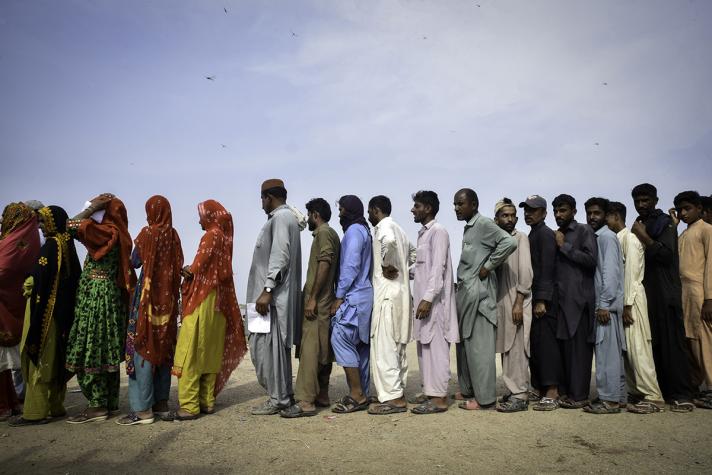
Providing protection and basic lifesaving services for the most vulnerable Afghans in Pakistan, including those without documentation, remains a key priority for EU humanitarian aid.
Pakistan also experiences frequent disasters such as earthquakes, floods and recurrent droughts.
Malnutrition and limited access to water, sanitation and medical services have compromised the health care capacities of the most vulnerable communities. In addition, the 2022 floods worsened the already pressing humanitarian needs.
Nearly 2 years after the devasting floods at least 20.6 million people are still in need of humanitarian assistance. Over 1.2 million people remain displaced especially in the most affected districts of Sindh and Balochistan. The population has been further impacted by the 2023 and 2024 floods, combined with an unprecedented economic crisis marked by high inflation.
Additionally, Pakistan is facing an imminent nutrition crisis, exacerbated by pre-existing high rates of malnutrition in flood-affected regions. According to the latest Integrated Phase Classification (IPC), 8.6 million people were highly food insecure during March - June 2024. Approximately 2 million children nationwide suffer from acute malnutrition and require urgent treatment, while a further 2 million children are in need of nutrition services.
How are we helping?
In 2024, the EU has allocated over €15 million in humanitarian support and disaster preparedness. This funding aims to support refugees, their host communities, and disaster preparedness and response actions. It includes €700 000 released in response to the severe floods during this monsoon season. This amount brings the total funding to Pakistan since 2016 to €154 million.
More than 50% of Afghan refugees in Pakistan are considered extremely poor. EU-funded humanitarian projects assist them with health care services, nutrition, education, water and sanitation facilities, and legal protection services.
Displaced Pakistanis, both in their areas of refuge and in the destroyed areas to which they have returned, receive support for education, and access to water and sanitation.
The EU also supports programmes to enhance the disaster preparedness capabilities of communities in areas prone to both natural hazards and human-induced disasters. Current initiatives focus on strengthening national and provincial systems to prepare for and respond to, recurrent droughts, floods and other disasters.
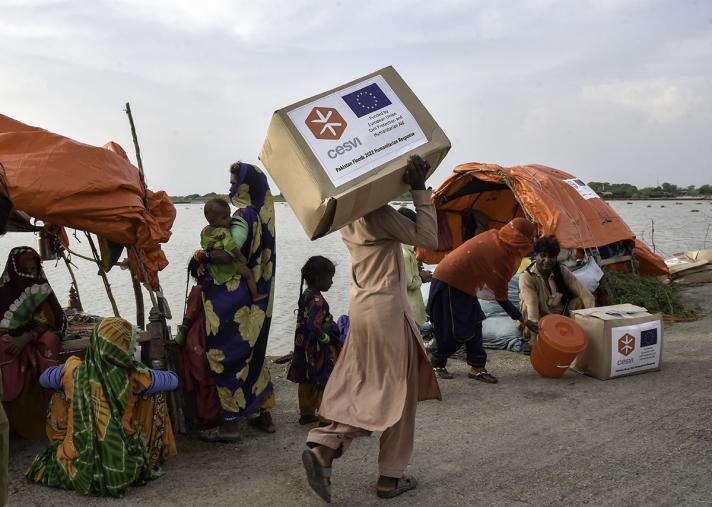
Last year, the EU provided €18.5 million in humanitarian support to Pakistan. This included €1 million in response to the major floods and landslides that wreaked havoc across the country’s 4 provinces, affecting nearly 900,000 people in mid-2023.
Early in 2022, devastating floods caused over 1,700 deaths and affected over 33 million people in the country. In response, the EU mobilised €30 million channelled into humanitarian programmes between the initial allocation and the budget reinforcement for the flood response. We also coordinated the incoming assistance from EU Member States channelled through its Civil Protection Mechanism.
The EU has operated in Pakistan since the 1990s providing humanitarian assistance including to people affected by the 2005 earthquake and the devastating 2010-2011 floods.
Last updated: 30/09/2024
Facts & figures
An estimated 3.1 million Afghans with varying statuses
EU humanitarian aid and disaster preparedness:
€15.2 million in 2024
Over €154 million since 2016