Introduction
The EU has been providing humanitarian assistance to Palestinians in need since 2000, supporting people affected by emergencies and shocks.
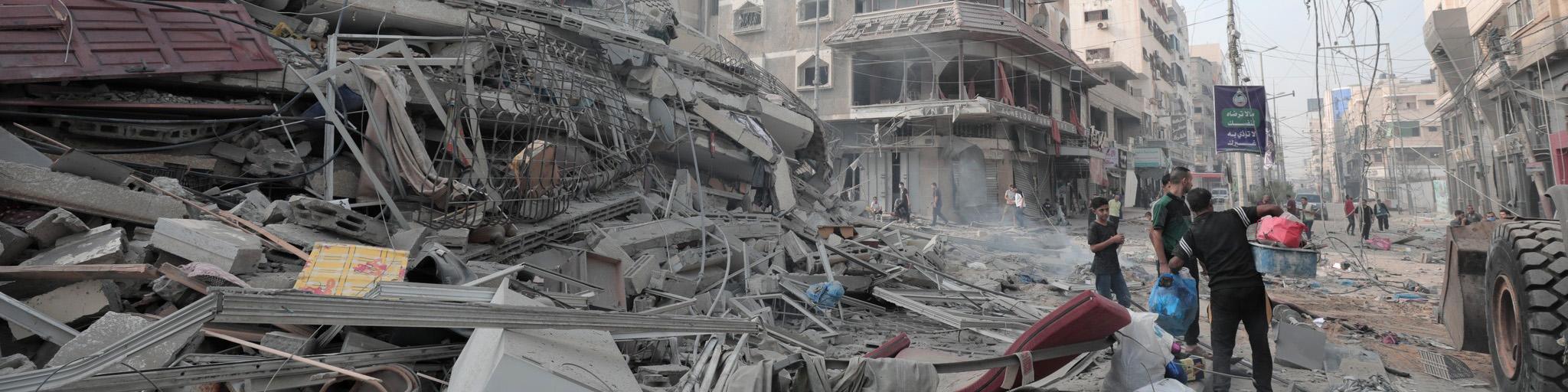
The protracted humanitarian situation of Palestinians in the Gaza Strip continues to deteriorate rapidly due to the continued intensification of hostilities after the terrorist attack on Israel, which left more than 1,200 Israelis dead.
The consequent full-scale Israeli military operation, along with the blockade of Gaza, has brought the already dire humanitarian situation there to a catastrophic level for the 2.2 million population and resulted in a high death toll and recurrent displacement among civilians.
As a long-standing humanitarian donor, the EU is responding to the population’s most pressing needs. This is done in line with the humanitarian principles of humanity, neutrality, impartiality and independence.
What are the needs?
According to the de facto authorities, at least 33,000 Palestinians have been killed and at least 75,000 have been injured so far, many more are missing.
Currently, there is a severe shortage of vital resources, including water, food, medicine, electricity, and fuel as well as a lack of safety and security for civilians and aid workers.
The risk of famine is increasing daily due to a combination of the intense conflict, restricted humanitarian access and the subsequent largely insufficient aid inflow. The Integrated Food Security Phase Classification (IPC) reported that famine is imminent as 1.1 million people, half of the population in the Gaza Strip, experience catastrophic food insecurity. In Gaza, 100% of people are estimated to be acutely food insecure. The Global Nutrition Cluster highlights a steep rise in malnutrition among children and pregnant and breastfeeding women in the Gaza Strip.
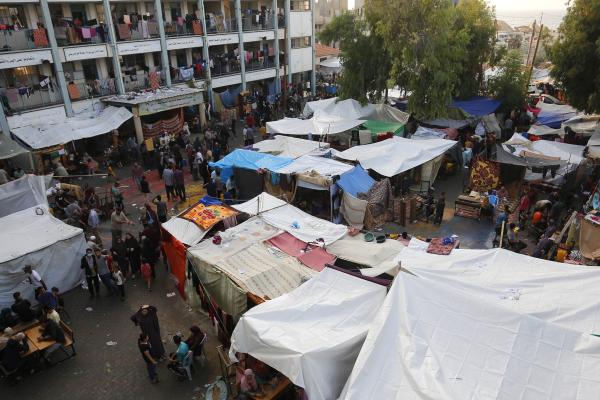
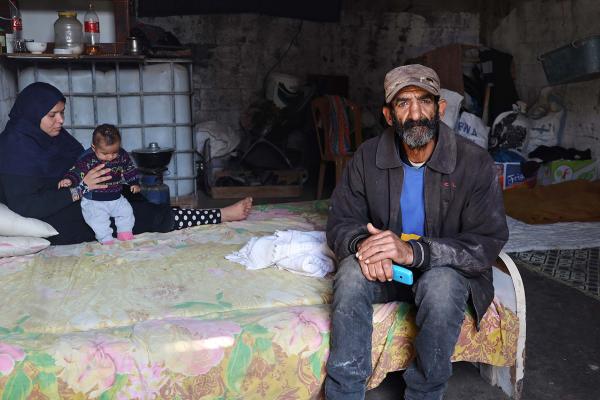
It is estimated that over 1.7 million people (almost 75% of the population of the Gaza Strip) have been internally displaced within Gaza several times due to the intensified air strikes and armed confrontations on the ground. Over 1 million people have lost their homes, 84% of health facilities are destroyed or damaged, and the education system has collapsed, leaving all children out of school and schools serving as shelters for displaced persons.
The conflict in Gaza has particularly and severely impacted children, resulting in around 26,000 children killed or injured, facing lasting physical harm including limb amputations. Some 50,000 children under 5 are acutely malnourished, and over 600,000 lack access to education. These children endure not only physical trauma but also face psychological issues, with 1 million children in need of mental health and psychosocial support. At least 17,000 children are estimated to be unaccompanied or separated from their parents in the Gaza Strip
Urgent needs include:
- protection of civilians in line with international humanitarian law, including rapid, unhindered, and safe access of humanitarian aid
- fuel to run generators of hospitals and desalinate water
- health services
- food and nutrition
- water, sanitation and hygiene
- shelter and non-food items
- education in emergencies
- cash assistance

The humanitarian situation in the West Bank has also significantly worsened following the outbreak of the war in Gaza. This is due to:
- increased Israeli military operations,
- intensified search and arrest operations resulting in the detention of over 6,000 Palestinians,
- confrontations between Israeli forces, settlers, and Palestinians, which have resulted in the killing of more than 428 Palestinians (including 110 children) and the injuring of more than 4,760.
Severe movement restrictions imposed on Palestinian communities are impeding access to basic services including health, education, and livelihoods between cities, villages, and rural areas in Area C and beyond.
Since 7 October, 1,244 individuals have been displaced from at least 20 herding communities amid settler violence and access restrictions in Area C and East Jerusalem. Over 900 individuals were displaced following extensive damage to civilian and public infrastructure in Areas A and B.
As in any other conflict, international humanitarian law must be respected in full to protect civilians and grant unhindered and safe access for humanitarian aid.
Previously assessed needs
A stagnating economy, in great part due to the 16-year blockade, recurrent hostilities, a chronic energy crisis, and the internal divisions between Palestinians have trapped the Gaza Strip in a dire humanitarian situation and downward cycle of poverty, now further exacerbated by the current unprecedented hostilities.
At least 3.1 million Palestinians, out of 5.5 million (more than 56%), are facing critical needs, considering both Gaza and the West Bank.
Some 600,000 Palestinians in East Jerusalem, the Hebron H2 area, and Area C – an Israeli-controlled area covering over 60% of the West Bank – need better access to essential services such as water, health care, and education.
Homes and other vital infrastructure are routinely demolished, and inhabitants are evicted by force. This is due to violence, intimidation, and the rejection of building permits.
Schools continue to be damaged or demolished, with 60 schools at risk of being levelled. Palestinian students are routinely harassed on their way to school, hampering their access to education.

How are we helping?
To maintain a lifeline for Palestinians in need, the EU has swifty mobilised €125 million as an initial allocation in humanitarian funding for 2024. In addition, the EU released another € 68 million to support the Palestinian population across the region, bringing the total for Palestine to over €193 million in 2024.
In 2023, the EU released an initial allocation of close to €28 million in humanitarian aid. Following the 7 October events, the EU mobilised an additional €75 million.
Despite access challenges and security concerns in Gaza, partners operating on the ground continue to provide humanitarian assistance, including life-saving assistance.
Air bridge operations
The EU also launched a Humanitarian Air Bridge operation in aid to the people affected by the crisis.
As of 26 April 2024, a total of 48 flights transported over 2,000 metric tonnes of humanitarian cargo supplied by humanitarian partners, EU-owned stockpile items, and donations from Member States.
In this regard, so far, supplies from Belgium, France, Germany, Greece, Ireland, Luxembourg, Portugal, Romania, Slovakia and Spain have already been transported via Humanitarian Air Bridge flights. Coordination is ongoing with Member States for the further shipment of other life-saving goods.
The aid transported includes nutritional items, shelter and logistical equipment, hygiene kits, and medicines.
Furthermore, the EU Civil Protection Mechanism has been activated to offer support for repatriation flights from Israel and to support operations for the maritime corridor from Cyprus to Gaza.
Before 7 October 2023
In the Gaza Strip, the EU has been providing vulnerable families affected by sudden emergencies and shocks with cash assistance, helping them meet their basic needs. The EU’s assistance has included protection, safe education for children, and health care.
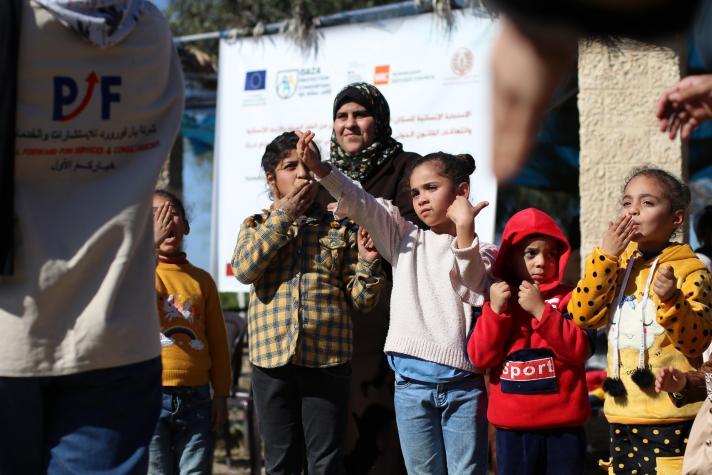
With the support of EU humanitarian aid, the Norwegian Refugee Council (NRC) provided targeted assistance to people in Jabalia, in northern Gaza.
In the West Bank, specifically in Area C, East Jerusalem, and Hebron H2, the EU and several Member States are supporting a consortium of humanitarian partners. They protect communities at risk of forcible displacement because of demolitions, evictions, and settler violence.
EU humanitarian partners provide emergency assistance, legal aid, and access to essential services. The EU also helps improve the living conditions of communities that are barred from accessing or upgrading basic services. For example, by providing shelter and safe sources of water.
The EU advocates for compliance with international humanitarian law and the need to uphold human dignity. It condemns the illegal destruction of Palestinian homes, assets and aid infrastructure, and the forcible displacement of populations.
In both the West Bank and the Gaza Strip, EU humanitarian funding has helped Palestinian children access schools in safe and conducive environments, despite the many obstacles.

The EU also helps strengthen health services to allow essential primary health care and emergency medical services to continue. In addition, it improves access to water, sanitation, and hygiene for vulnerable communities.
The EU supports numerous humanitarian partners in the occupied Palestinian territories: United Nations agencies, the Red Cross and Red Crescent, and international non-governmental organisations.
Since 2000, the EU has provided more than €1.08 billion in humanitarian assistance to help meet the basic needs of the Palestinian population.
* The designation of Palestine shall not be construed as recognition of a State of Palestine and is without prejudice to the individual positions of the Member States on this issue.
Last updated: 26/04/2024
Facts & figures
3.1 million people need humanitarian assistance in the Occupied Palestinian Territory (2.2 million in Gaza and 900,000 in the West Bank) (UN/OCHA Flash Appeal – November 2023)
600,000 school-aged children need access to education
(figures before 7 October 2023, UN/OCHA)
Over 2 million estimated internally displaced people (Gaza)
(source: UN/OCHA)
EU humanitarian funding:
€193 million for 2024
€103 million in 2023
More than €1.1 billion since 2000