Introduction
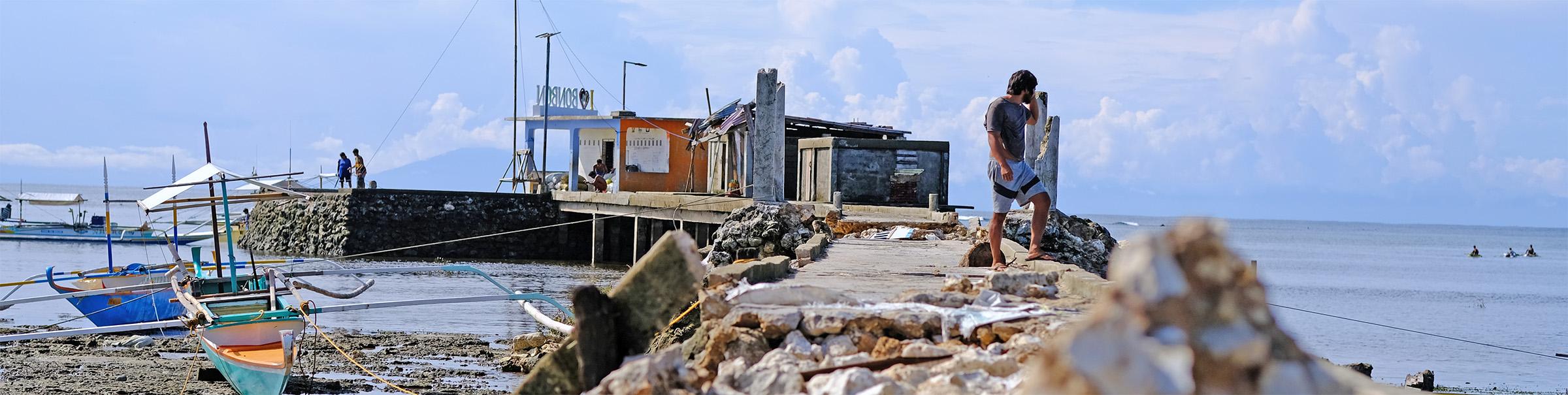
The Philippines is highly exposed to various natural hazards, including tropical cyclones, active volcanoes, and other climate-related risks. In addition, the ongoing conflict between the government and armed groups in the southernmost island of Mindanao impacts the lives of hundreds of thousands of people.
The precarious situation in the country often results in significant loss of life, livelihoods, and homes. The EU provides food, water and sanitation, health care, and other types of aid that help the most vulnerable survive emergencies.
What are the needs?
The Philippines has well-developed crisis management capacities. However, disasters such as typhoons, flooding, landslides, earthquakes, and volcanic eruptions often cause large-scale damage. They also put a heavy strain on local resources.
In December 2021, typhoon Rai (Odette) made landfall 9 times in the Philippines. It caused widespread destruction and affected over 12 million already vulnerable people making it one of the worst global disasters in 2021.
The armed conflict in Mindanao remains a fragile and complex situation. Since 2012, fighting has caused close to 1 million people to flee their homes, creating large humanitarian needs.
Approximately 5 to 10 incidents occur every month in Mindanao. As of December 2023, some 162,000 people were displaced in the southern part of the country.

How are we helping?
In 2024, the EU has allocated €2.6 million to the Philippines to support people affected by different emergencies.
EU humanitarian aid prioritises the most vulnerable conflict-affected communities in Mindanao, who have no other access to relief assistance. We provide food and nutritional assistance, health care, clean water and sanitation, and access to safe, equitable and quality education for those in need.
In 2023, the EU provided €4.4 million to the Philippines, including €1.5 million in support of people affected by the protracted conflict. This funding also contributed to strengthening access to education for children in conflict-prone areas.
In response to the widespread flooding that affected nearly 880,000 people in the eastern region of Visayas in November 2023, the EU provided €300,000 to deliver vital aid, including food and livelihood support, as well as access to clean water supplies and sanitation facilities, and education, to those most in need.
In 1996, the EU set up a disaster preparedness programme to reduce the impact of natural hazards and strengthen the capacities of communities to prepare for future events. Last year alone, the EU contributed €1.7 million to disaster risk reduction and resilience-building initiatives in the country.
Current activities focus on enhancing the disaster resilience of local government units and impoverished families living in high-risk urban areas in the capital, Manila. The EU fund activities covering local capacity building, early warning systems, education, public awareness campaigns and resilient livelihood planning.
Last updated: 02/02/2024
Facts & figures
EU humanitarian funding:
€2.6 million in 2024
€160.6 million since 1996, including:
- Over €100 million in response to natural disasters
- €41.1 million in response to conflict
- €20.9 million on disaster preparedness