
What is it?
The European Commission upgraded the EU Civil Protection Mechanism and created rescEU to further protect citizens from disasters and manage emerging risks.
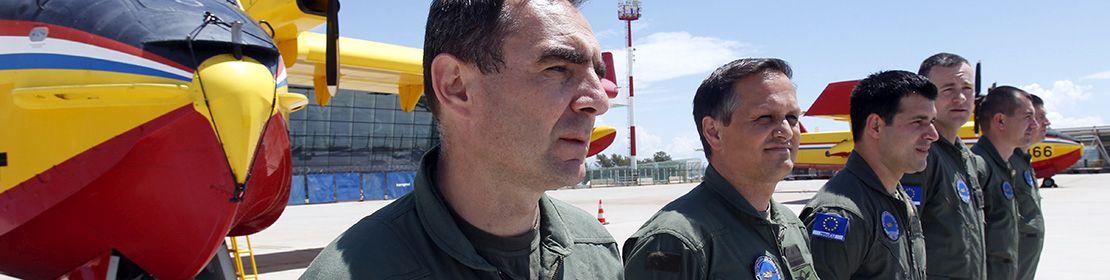
rescEU was established as a reserve of European capacities, fully funded by the EU. It includes a fleet of firefighting planes and helicopters, a medical evacuation plane, and a stockpile of medical items and field hospitals that can respond to health emergencies.
The rescEU reserve also includes shelters, transport and logistics assets and energy supply items.
Reserves are also being developed to respond to chemical, biological, radiological, and nuclear (CBRN) risks. These include decontamination and detection, as well as reserves of CBRN medical countermeasures.
Why is this important?
The EU plays a key role in coordinating the response to disasters in Europe and beyond. Disasters have affected every region of Europe in recent years, causing hundreds of casualties and billions in damage to infrastructure and the environment.
Epidemics, flash floods, storms, forest fires, earthquakes, and human-induced disasters continuously put pressure on the countries’ response capacities. Additionally, security concerns have become more complex and climate change is expected to worsen the impact of disasters in the future.
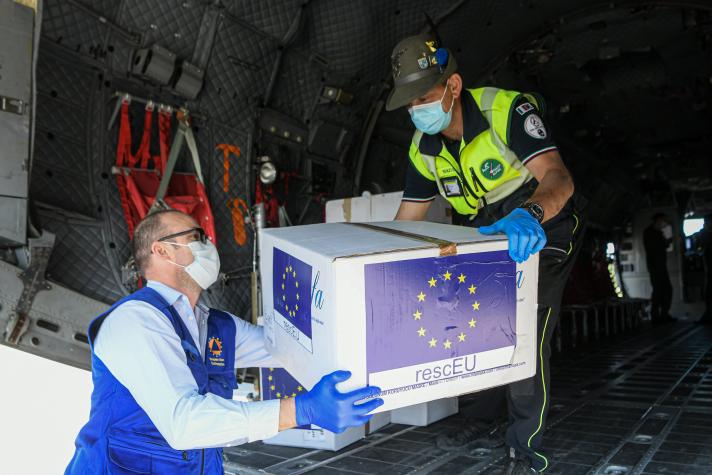
Conflict on the European continent, extreme weather conditions and emerging threats, such as COVID-19, have overwhelmed the ability of Member States to help each other, especially when several countries simultaneously face the same type of crisis.
In such cases, when Member States require a boost to provide a strong response to crises, the EU provides an extra layer of protection. Through the rescEU reserve, the EU ensures a faster and more comprehensive response.
How are we helping?
When an emergency hits, any country can request assistance via the EU Civil Protection Mechanism.
Once activated, the EU channels assistance from EU Member States and 10 participating states through the Emergency Response Coordination Centre.
To guarantee an even more effective response to disasters, the rescEU reserve was established in 2019 as an additional layer of protection.
War in Ukraine
Following Russia’s invasion of Ukraine and related medical needs for Ukrainians inside the country and the whole region, the EU has deployed medical evacuation services as well as assistance from its rescEU medical/CBRN, energy and shelter stockpiles hosted in various locations across the EU.
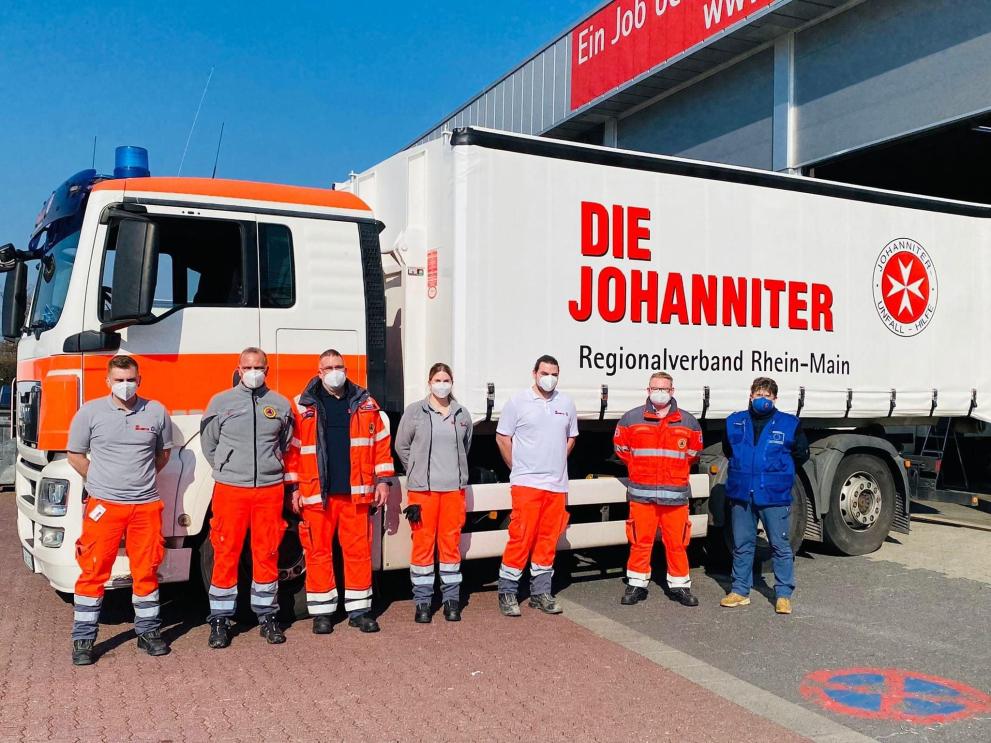
The rescEU assistance includes medical items such as (i) ventilators, (ii) infusion pumps, (iii) patient monitors, (iv) masks and gowns, (v) ultrasound devices, (vi) oxygen concentrators, (vii) antidotes, (viii) potassium iodide tablets, (ix) decontamination supplies, (x) gas masks, (xi) chemical detectors, and more.
It also encompasses generators to help Ukrainians with their basic needs and thousands of shelters to host people in different regions.
This is the largest and most complex EU civil protection operation since the creation of the Mechanism in 2001. This assistance comes on top of aid offered by European countries and is coordinated under the EU Civil Protection Mechanism.
To strengthen the EU response to wildfires, the Commission finances the stand-by availability of a rescEU firefighting fleet. Following several record-breaking wildfire seasons in Europe, rescEU is being reinforced to make available more aerial means every year.
The Commission decides jointly with relevant Member States on the deployment of these resources. This comes on top of other measures under the EU Civil Protection Mechanism, such as the use of prepositioned ground teams to ensure a prompt response in wildfire prone countries.
In parallel, the Commission is also financing the development of a more ambitious future rescEU permanent fleet composed of medium amphibious planes and helicopters.
In March 2022, a rescEU “MedEvac” capability for highly infectious diseases’ patients became operational and has also been used in the context of the war on Ukraine.
More recently, the EU granted funds to a consortium consisting of 7 Member and 1 Participating State of the EU Civil Protection Mechanism to develop the rescEU Emergency Medical Team.
The rescEU EMT, currently under development, aims to become the largest field hospital globally, providing a modular, highly specialised medical response to disasters.
The Commission is developing strategic capabilities to respond to chemical, biological, radiological, and nuclear disasters (CBRN). People may be exposed to CBRN agents due to unintentional disasters or intentional attacks.
RescEU decontamination capabilities as well as detection, sampling, identification and monitoring capabilities are currently being developed. The former will boost the capacity of the EU to decontaminate infrastructure, vehicles, buildings, critical equipment and affected people. While the latter will be used to carry out search activities and respond to security events.
Both types of capabilities will also be able to be pre-deployed ahead of high-visibility events or major public events.
Once available, rescEU detection, sampling, identification, and monitoring resources will represent a key additional feature towards better EU preparedness.
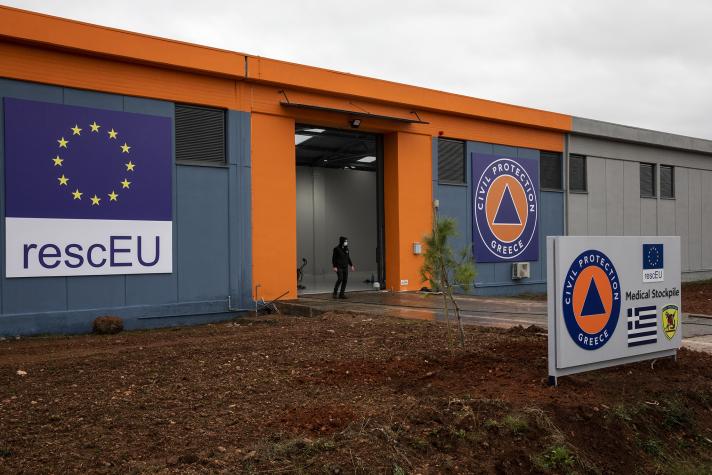
The EU has established strategic stockpiles to respond more quickly to needs caused by health crises and CBRN emergencies such as the COVID-19 pandemic or large-scale human induced disasters. tThe reserve enables the swift delivery of items including different types of medical countermeasures, medical equipment, CBRN response equipment and personal protective equipment.
Currently, partly in cooperation with the Health Emergency Response Authority (HERA), 22 rescEU stockpiles are being developed by 16 different Member States across Europe Out of these, 12 stockpiles are already operational.
Access to emergency shelter helps people to have a safe and secure place to live in the aftermath of a disaster or emergency.
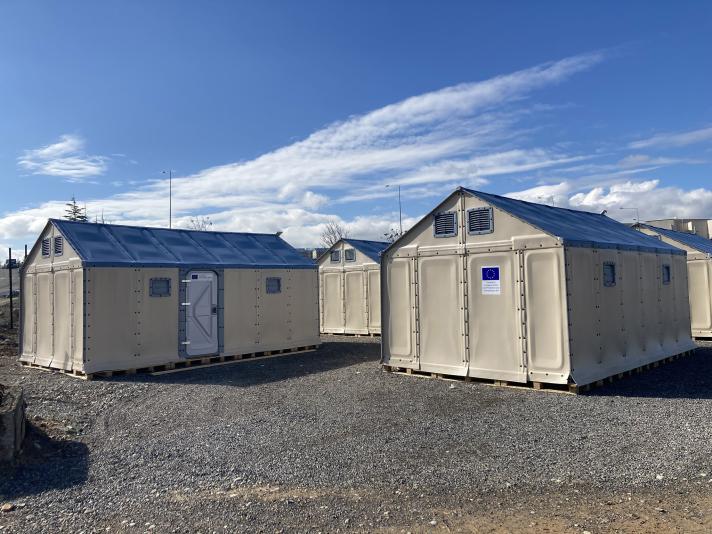
rescEU has created reserves of high-quality emergency shelter units such as light prefabricated structures, flat-pack containers, and emergency tents.
The living units are complemented by other facilities such as showers and toilets, industrial or self-catered kitchens, laundry, and communal areas, with special attention paid to creating safe spaces for children and the most vulnerable.
This shelter reserve will be hosted by 6 Member and participating states, and it will be strategically stored across the continent for possible deployment in a range of different settings and scenarios.
An emergency shelter capacity was also rapidly developed in 2022 to support people affected by the war on Ukraine. In 2023, it was deployed to host population who lost their homes after the earthquakes in Türkiye. This reserve is composed of light prefabricated structures, tents, beds and other shelter items deployed to assist the affected population.
The need to strengthen the transport and logistics resources under the EU Civil Protection Mechanism became evident in many recent EU civil protection operations.
For example, the COVID-19 pandemic brought about challenges for the transport of medical assets, vaccines, personnel, and patients, including in contexts with high security risks.
This reserve, still under development, will encompass 2 planes able to transport people, for example during consular evacuations and repatriations, and cargo whenever needed.
A dedicated asset will also focus on the evacuation of medical patients.
Be it about powering shelter units or critical infrastructure after a natural hazard or conflict, energy is a basic need irrespectively of the scenario at stake.
To ensure the EU Civil Protection Mechanism is well equipped for future purposes, the EU created a reserve of emergency energy supply assets under rescEU. Its main task is to provide emergency backup power under different emergency scenarios.
The rescEU energy reserve is comprised of thousands of generators of different sizes. These range from smaller sizes, capable of powering single households, to much larger models suitable for keeping public buildings and vital community services running such as hospitals and central heating points.
In the context of Russia’s war on Ukraine, rescEU has deployed thousands of generators to Ukraine, for instance, helping hospitals in ensuring basic services.
Facts & figures
rescEU is an extra layer of citizen protection in Europe, integrated into the EU Civil Protection Mechanism.
rescEU strengthens European preparedness for disasters.
It responds to crises in Europe and beyond by building capacities such as:
- wildfire assets
- medical capabilities
- chemical, biological, radiological, and nuclear (CBRN) capabilities
- strategic stockpiles of medical and CBRN items
- mobile shelters
- emergency transportation
- electricity supplies
rescEU is 100% EU-financed, including costs for purchase, operations, and maintenance.
Last updated: 14/05/2024