
Introduction
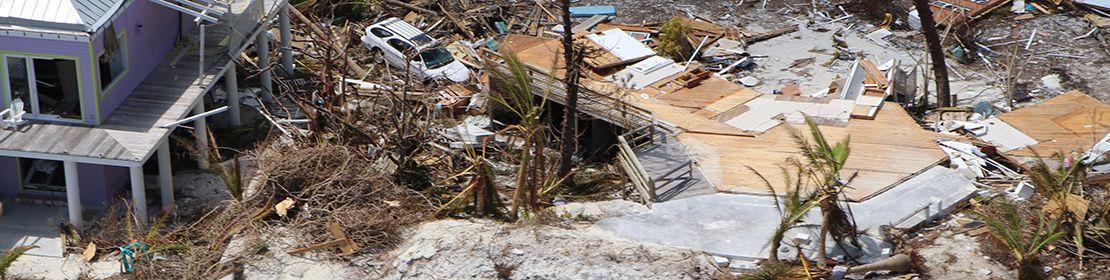
The Caribbean is the second most disaster-prone region in the world, regularly hit by natural and human-induced hazards. Its Small Islands Developing States are increasingly vulnerable to extreme climatic events, which are becoming more intense, unpredictable and frequent due to climate change.
In 2021, the region faced 4 major humanitarian challenges at once: (i) COVID-19, (ii) mixed migrations (Haiti, Cuba and the Venezuelan forced migration and refugee crisis), (iii) the Atlantic hurricane season, and (iv) a wide range of natural hazards (a volcanic eruption, floods and recurrent droughts in Cuba and the Dominican Republic).
What are the needs?
In 2022, war in Ukraine has triggered unprecedented spike in the price of food, inputs, and energy. Haiti and Dominican Republic are the two countries in the region with the highest prevalence of insufficient food consumption and using food-based coping strategies to respond to crises.
For the 7th consecutive year, the 2021 Atlantic Hurricane season began early and presented an above-average activity (21 named storms, including 7 hurricanes) becoming the 4th costliest season on record. Despite the strengthening of national and regional disaster management systems, gaps persist in preparedness and response capacity.
COVID-19 has increased poverty and exacerbated vulnerabilities in all countries. The pandemic has caused disruptions in the availability of resources, increasing protection concerns and affecting health, and food insecurity, particularly for migrants, refugees, stateless and vulnerable host communities.
Cuba is going through the most severe crisis since the 90s. The pandemic aggravated the food crisis already significantly affected by recurrent droughts, hurricanes, and US-imposed blockades.
Stateless and asylum-seeking people and more than 1 million displaced Haitians live in extremely vulnerable conditions. They are mainly in the Dominican Republic, which is also hosting 135,000 stateless persons of Haitian origin (the biggest caseload in the Americas).
Around 222,500 Venezuelan refugees and asylum seekers live in the Caribbean, facing integration and regularisation barriers. They also lack access to social services and are often exposed to human rights violations, trafficking, exploitation and abuse. COVID-19 has significantly worsened these vulnerabilities.

How are we helping?
Since 1994, the EU has provided more than €199 million in humanitarian aid to the Caribbean (excluding Haiti).
Disaster Preparedness in the Caribbean aims at covering gaps in terms of preparedness and response capacities and strengthen communities, local, national and regional institutions’ resilience.
The main priorities for intervention established in coordination with regional bodies are:
- Risk-based and anticipatory actions
- Climate and environmental resilience
- Urban Preparedness
In October 2022, as Hurricane Ian swept the Caribbean leaving a trail of extensive damage, the EU released €1 million to help Cuba meet the most urgent needs of people affected by extreme weather.
In the context of the COVID-19 outbreak and to respond to the most acute needs, the EU allocated €600,000 to UNICEF in 2020. The funding helped improve the health system’s capacities and protect the vulnerable population in Cuba.
Another €1.5 million has been allocated to UNICEF to improve Health system capacity and food security for patients and vulnerable populations in the Dominican Republic in 2021.
In 2020, the EU Civil Protection Mechanism also facilitated the repatriation of EU citizens stranded in the Dutch Caribbean islands, Dominican Republic, Cuba, Barbados and Haiti. Some Caribbean States and territories also received protective and medical equipment and medicine.
EU-funded supplies have been used to support those affected by Hurricane ETA in Cuba and Dengue outbreak control interventions in Saint Lucia and Saint Vincent and Grenadines.
In June 2021, the EU provided a €150,000 contribution in the form of emergency support for the floods in Guyana in coordination with national authorities. This funding served to enhance temporary shelters management and assist evacuees with hygiene kits, personal protective equipment and healthcare services.
Also in 2021, the EU allocated over €740,000 in emergency aid to La Soufriere Volcanic eruption in Saint Vincent and Grenadines. The funding supported cash assistance, the health authorities, water supply in evacuation shelters, and psychological assistance.
As an additional layer of support, the EU has set a joint response strategy between the EU’s Humanitarian Aid and Development Cooperation departments (NEXUS). It aims to provide emergency assistance, rebuild after hurricanes hit, and strengthen communities’ and institutions’ resilience.
Linking emergency relief and longer-term development interventions strengthen the ability of institutions and vulnerable populations to cope with disasters and be better prepared.
Last updated: 12/10/2022
Facts & figures
2 consecutive hurricane seasons (2020 – 2021) counting 21 named storms
Nearly 4 million COVID-19 cases and 35,000 deaths reported since 2020
Around 222,500 Venezuelan refugees and asylum seekers live in the Caribbean
135,000 stateless persons of Haitian origin (the biggest caseload in the Americas) living in extreme difficult conditions in Dominican Republic
EU humanitarian funding:
€199 million since 1994 (funding excluding Haiti)