
Introduction
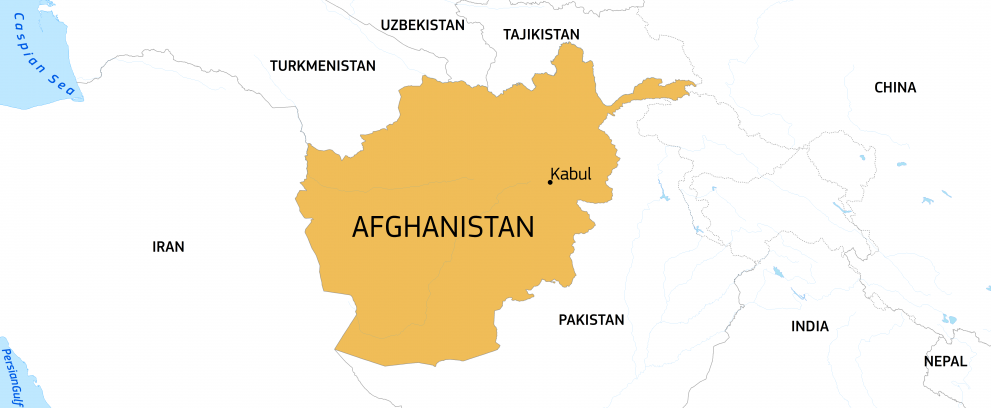
After decades of conflict, natural hazards and chronic poverty, Afghanistan is facing one of the world’s largest and most complex humanitarian crises, which has also far-reaching impacts on neighbouring Iran and Pakistan.
The complex and protracted humanitarian situation in Afghanistan is further aggravated by climate change, environmental degradation, political insecurities, economic instability, and epidemics.
The humanitarian community is facing new challenges since the withdrawal of international troops and the Taliban takeover in 2021. Nonetheless, the EU continues to provide life-saving assistance in Afghanistan through its various funding programmes.
EU humanitarian aid strictly adheres to the humanitarian principles of independence, impartiality, neutrality and humanity. It is solely channelled through our humanitarian partners on the ground, with meaningful participation of women, and always directly to the people most in need.
What are the needs?
Over 90% of the country’s population lives below the poverty line. The UN estimates that in 2024, over 23.7 million people – more than half of Afghanistan’s population – will need humanitarian assistance. Millions of people across the country do not have access to safe water, enough food and appropriate health care, making them more vulnerable to diseases.
The effects of climate change have caused a widespread water crisis across the country, and generated additional food, health, and nutrition needs. Currently 15.8 million people are acutely food insecure, with 3.5 million people facing extreme food shortages, acute malnutrition, and excessively high disease levels.
Afghanistan continues to face a protection crisis. In 2023, nearly 60% of families reported that a member experienced psychological distress. Intersecting vulnerabilities add a toll on girls, women, female-headed households, widows, persons with disabilities, and older persons.
Despite the significant reduction in armed conflict, Afghanistan remains one of the countries that are most contaminated by explosive ordnance worldwide. Restrictions imposed on women and girls, including a ban on secondary education, as well as child labour, child marriage, and gender-based violence are strongly interconnected protection risks.

The end of 2023 was marked by the return of hundreds of thousands of people after neighbouring Pakistan endorsed a plan to repatriate over 1 million foreigners – mostly Afghans - without valid documents.
Many of them have nothing to return to, and the surge of new arrivals has further stretched the already scarce resources in the country. Returns are expected to continue throughout the year, with projections indicating that close to 1.5 million Afghans from Pakistan and Iran will come back in 2024.
How are we helping?
The EU has been funding humanitarian operations in Afghanistan since 1994, providing close to €1.8 billion in humanitarian funding.
Given the scale of humanitarian needs, the EU’s priority is to:
- provide lifesaving assistance.
- ensure access to basic services.
- build the resilience of the population to crises.
In 2024, the EU has so far allocated nearly €161 million in humanitarian aid to Afghanistan. Last year, the EU mobilised €156.5 million in humanitarian funding, including a €4.5 million support package following the series of deadly earthquakes in October 2023.
The 2024 funding continues to provide critical relief assistance to the most vulnerable. Interventions focus on:
- emergency food assistance,
- healthcare and nutrition,
- education in emergencies,
- access to clean water, hygiene and sanitation facilities,
- shelter and non-food items,
- protection services, including de-mining activities.

EU humanitarian aid in Afghanistan is solely channelled through our humanitarian partners on the ground. The funding strictly adheres to the humanitarian principles of independence, impartiality and neutrality to ensure it reaches those Afghans most in need.
To facilitate the delivery of lifesaving aid, the EU has transported over 1,850 tonnes of relief items through 37 Humanitarian Air Bridge flights to Kabul since August 2021.
Last updated: 30/09/2024