Introduction
Niger continues to suffer significant humanitarian needs due to conflicts, displacement, food insecurity, child malnutrition, climatic hazards, and epidemics. The violence affecting several regions, especially in the border areas with Nigeria, Chad, Burkina Faso, and Mali, continues forcing people to leave their homes.
Low community resilience, endemic poverty, galloping demographic pressure (+3.8% population growth rate), poor access to basic social infrastructure and services, and economic opportunities adds further pressure to the country's vulnerability.
Delivering humanitarian aid to these vulnerable populations in this context remains a challenge. On 26 July 2023, a military coup suspended the former democratic regime creating political instability in the country. The coup was condemned by ECOWAS, which imposed a series of sanctions against the country. The latter led to disruptions in the supply chain of necessities and drastic price increases aggravating the vulnerability of the people in need.
Although several ECOWAS sanctions against Niger were lifted on 24 February 2024, ongoing shocks of various kinds, including insecurity and persistent violence, are the main cause of forced displacement and the need for assistance and protection.
What are the needs?
More than 4.3 million people need humanitarian assistance in Niger (16% of the population), among the lowest-ranking countries on the United Nations Human Development Index (189th out of 191 countries).
During the 2024 lean season (June to August), around 3.4 million people are food insecure In 2024 the Food Security Cluster announced a gap of assistance for about 1.5 million of people.
Around 335,000 people across the country have been displaced due to violence. Additionally, over 260,000 refugees have fled insecurity from neighbouring Burkina Faso, Mali, and Nigeria.
The population is predominantly young (58%), with women accounting for 53%.
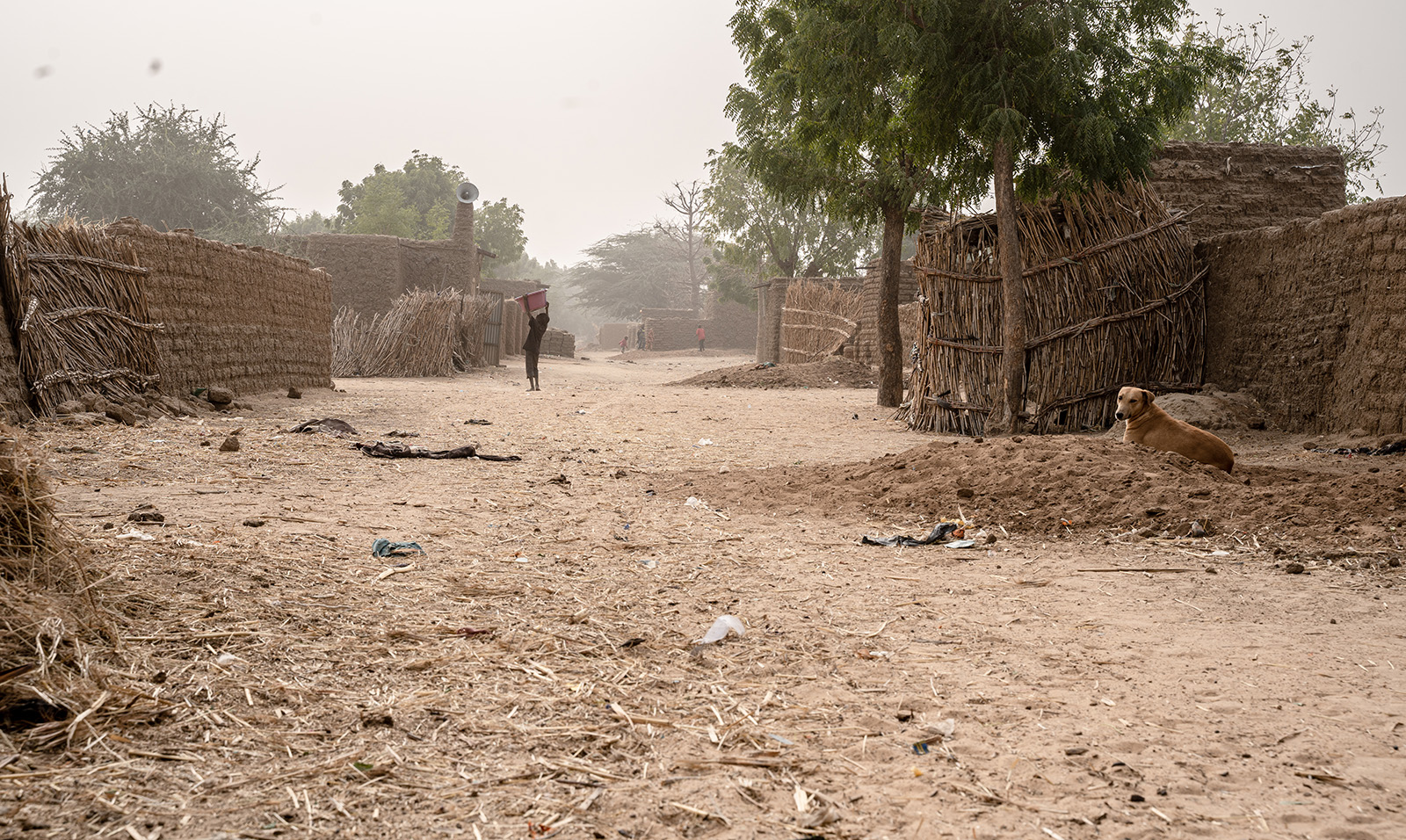
The global acute malnutrition rate for children under 5 years is 12.2%, and the prevalence of severe acute malnutrition is 2.4%, above the emergency threshold of 2%.
The country has the 11th highest under 5 mortality rate in the world, a population that barely has access to adequate sanitation, low school attendance and harmful practices such as child marriage.
Some 48% of children live below the monetary poverty line, and 75% of young children under 5 are deprived of three or more essential social services.
As per today more than 800 schools remain closed with most of them in Tillabéri region.
Compounded by climate-related problems, the security crisis that has affected the country for almost a decade continues to provoke forced population movements and disrupt access to humanitarian aid.

How are we helping?
The EU is one of the leading humanitarian donors in Niger, providing emergency and life-saving aid to people in need. In 2023, the EU has allocated €42 million in humanitarian aid to Niger and €24.6 million in 2024 (including logistical costs).
EU humanitarian funding supports regions affected by conflict, epidemics, widespread food shortages, and high undernourishment rates among children. It focuses primarily on covering basic needs, including:
- food
- shelter
- health
- nutritional care
- access to water
- education for children caught up in humanitarian crises.
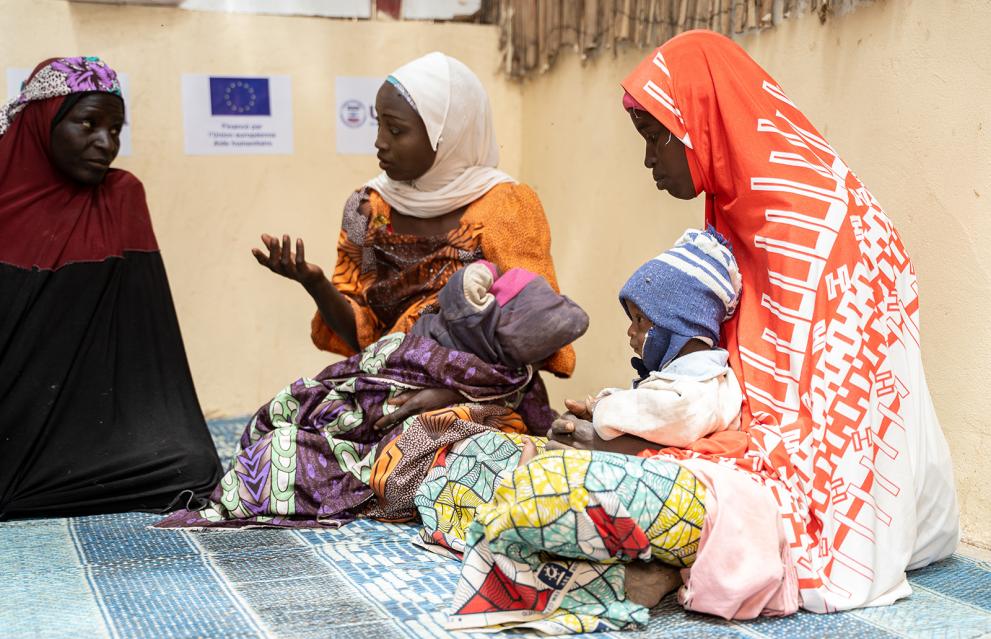
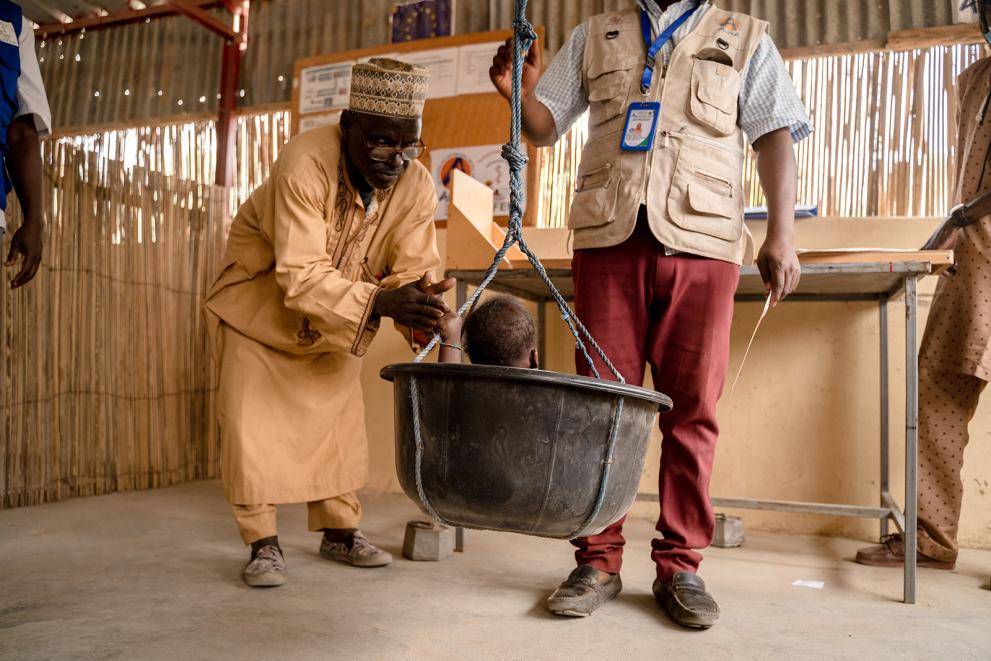
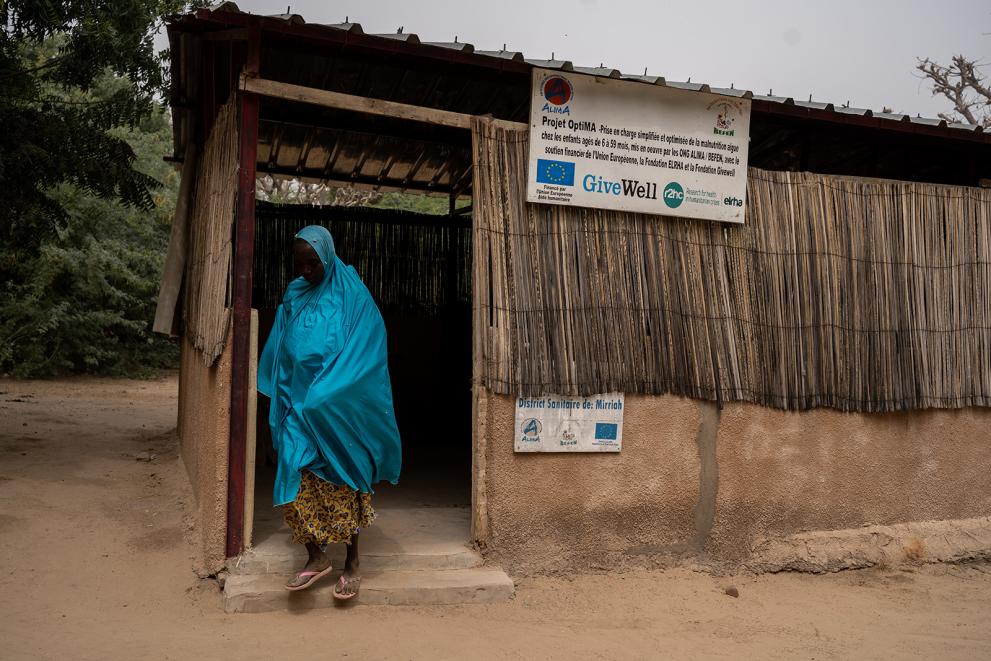
The EU also provides protection to vulnerable people affected by conflict (victims of gender-based violence, unaccompanied children, disabled people), natural hazards floods or epidemics, including COVID-19 and humanitarian air services.
Humanitarian crises caused by conflict escalate rapidly. Through the rapid response mechanism, the EU supports organisations responding quickly to meet the basic needs of vulnerable people when they face specific shocks.
In addition, the EU works to strengthen the preparedness of communities and authorities facing recurrent food and nutritional crises, natural hazards and population displacements.
In light of the volatile security situation in Niger, the EU continues to advocate for a safe working environment for humanitarian workers, where respect for humanitarian principles and international humanitarian law provides the basis for the humanitarian agenda and response.
Last updated: 28/05/2024
Facts & figures
More than 4.3 million people in need of humanitarian aid in 2024 (OCHA, Humanitarian Needs Overview)
335,000 internally displaced people in the regions of Diffa, Maradi, Tahoua, Tillabéri and Niamey
Niger hosts about 270,000 refugees primarily from Nigeria and Mali and from various other countries, including Burkina Faso, Chad, and Sudan
EU humanitarian funding:
€24.6 million in 2024
€42 million in 2023