

Introduction
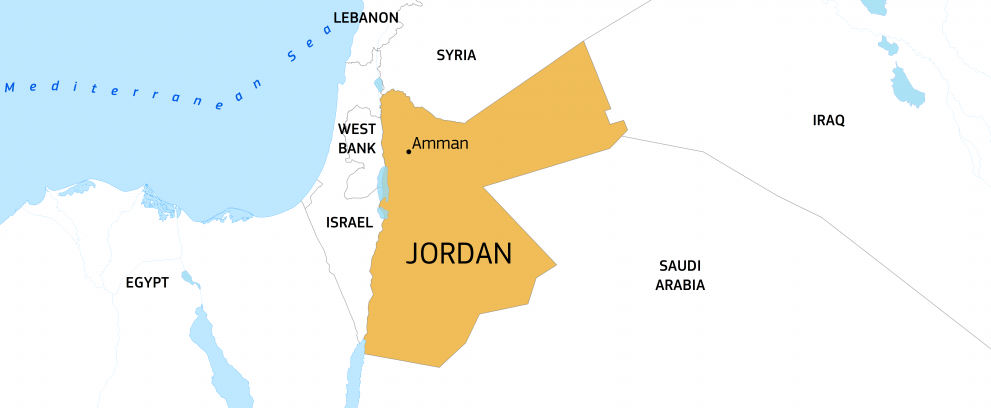
Jordan, a haven for refugees since the start of the Syria crisis in 2011, hosts the third highest number of Syrian refugees in the world. Most refugees live in cities, while others reside in camps such as Azraq and Zaatari.
Despite the strain of the refugee influx on Jordan’s economy, communities continue to live in relative harmony. However, following the COVID-19 pandemic and a cost-of-living crisis, life has become increasingly difficult for refugees and the vulnerable host communities and is likely to get even worse due to expected economic consequences of the Gaza war.
The EU is a significant aid contributor, supporting both refugees and host communities.
What are the needs?
Jordan hosts the fifth largest number of refugees per capita worldwide, including more than 643,000 Syrians. Most of them live outside of camps in urban centres, and 66% of all Syrian refugees live below the poverty line.
13 years into the Syrian crisis, at a time of aid cuts and economic slowdown, most Syrian refugees continue to rely on humanitarian aid to get by. Refugees and other vulnerable populations have been disproportionally affected by the global shocks of the past years, including the pandemic and Russia’s war on Ukraine.
Many refugees, especially those living outside the camps, resort to negative coping strategies such as debt, child labour and reduced food intake to cope with unemployment, illness, and difficult living conditions. There are still some 7,500 people stranded on Jordan’s north eastern border, in the informal settlement of Rukban, with no possibility to assess their humanitarian needs and support them from Jordan due to lack of access.
With limited prospects of returning to Syria, refugees need sustainable solutions – including better access to social services, health care and economic opportunities – to become self-reliant.
How are we helping?
Since the beginning of the Syria crisis in 2011, the EU has channelled roughly €3.5 billion to Jordan through humanitarian, development and macro-financial assistance. Of this total, humanitarian aid amounts to over €431 million.
In 2024, the EU mobilised €14 million in humanitarian assistance to support health care, education, and protection assistance.
We support people in Zaatari, Azraq, Emirati Jordanian camps and Rukban, but also Syrian and non-Syrian refugees who live outside of the camps. EU-funded essential services across the country also benefit vulnerable Jordanians.
Various programmes address the specific needs of women and children, who make up more than 50% of the refugee population.
The EU supports health interventions focused on immediate lifesaving, especially where refugees and vulnerable Jordanians struggle to access health services. Our assistance focuses on sexual and reproductive health care, and we also provide cash assistance for health.
To address educational needs, EU-funded programmes ensure quality schooling for vulnerable children, including those with disabilities. Innovative approaches are used to help out-of-school children find their way into the formal education system.
The EU also supports the UN Refugee Agency and a consortium of partner organisations to help refugees obtain and keep official refugee status, and iron out legal issues.
Syrian refugees in Jordan without updated documentation are vulnerable to exploitation and abuse. The lack of official documents limits their freedom of movement. It prevents them from entering the labour market and accessing essential services such as healthcare and education.
The registration teams have found innovative ways of operating, combining in-person appointments with remote registration thanks to new technologies and security procedures.
Mutual commitments exist between the EU and Jordan. They follow pledges made at the London conference in 2016 and the Brussels-Syria conferences that have taken place yearly since 2017.
The annual Brussels Conferences on Supporting Syria and the region have successfully mobilised international financial support for Syrians and their host communities, both inside Syria and in neighbouring countries.
Last updated: 27/05/2024
Facts & figures
More than 717,000 refugees in Jordan:
- 643,000 from Syria
- More than 74,000 from other countries
(UNHCR, Nov 2023)
EU humanitarian funding:
€14 million in 2024
€431 million to Syrian refugees and host communities since 2011