
Introduction
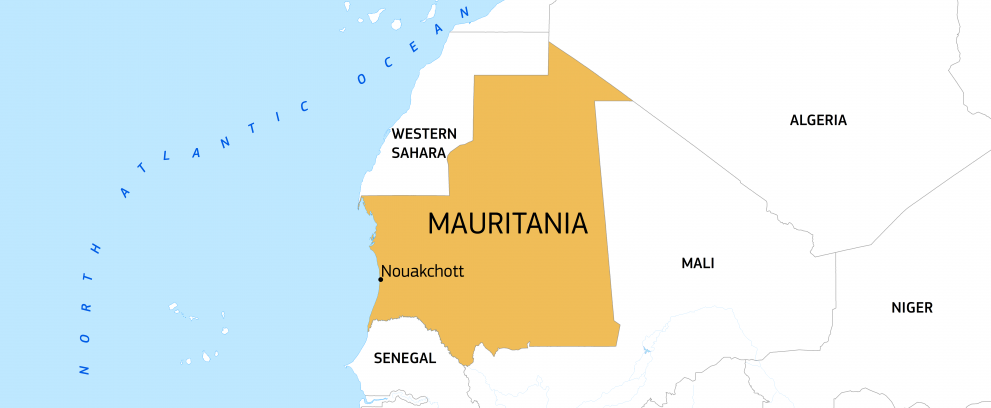
Mauritania, a bridge between the Arab Maghreb and the Sahel region, is among the world’s poorest countries. Since late 2023, escalating violence in neighbouring Mali has driven more refugees to Mauritania’s eastern border.
In 2024, host communities in this arid region faced an especially harsh dry season, further depleting already scarce water sources and pastures for their livestock.
EU humanitarian aid supports refugee registration, protection services, emergency cash assistance, and access to safe water and sanitation.
What are the needs?
In 2024, over 955,000 people in Mauritania were in need of humanitarian assistance due to population displacements, extreme weather events, such as droughts and floods, and ongoing food and nutrition crises. According to the latest Cadre Harmonisé analysis, nearly 375,000 people are projected to face acute food insecurity during the June to August 2025 lean season, when food stocks are at their lowest.
Mauritania is home to the largest refugee camp for Malians who have fled their country since 2012 due to violence and instability. With no end to the conflict in sight, the refugee influx continues, and people’s prospects for return remain limited. A significant portion of the Malian refugee population—approximately 242,000 individuals—has been living in Mauritania for over a decade.
Of these refugees, around 115,000 are hosted in the Mbera camp, which is severely overcrowded, exceeding its capacity by more than 40,000 people. As a result, Mbera has grown to a size larger than most Mauritanian urban agglomerations.
With escalating violence in Mali, where, as of 2025, 6.4 million people (28% of the population) need humanitarian aid, further refugee arrivals are anticipated.
The humanitarian needs in Mauritania are important, particularly in terms of access to basic services, protection, and food assistance. Malian refugees are in a region already burdened by drought, scarce resources, agro-pastoral conflicts, and the low resilience of host communities.
The immediate needs of refugees, returnees, and host communities are compounded by the long-term challenges facing the country, creating a complex and urgent humanitarian situation.
How are we helping?
The EU has been providing humanitarian assistance in Mauritania since 2007, initially focusing on malnutrition interventions. Following the rapid influx of refugees from Mali in 2012, the EU significantly expanded its response, addressing growing humanitarian needs.
Over 15 years, the EU has focused its emergency interventions on regions with the highest levels of food insecurity and acute malnutrition. Through these efforts, the EU has strengthened the capacity of Mauritanian institutions to respond to such shocks.
In response to the ongoing influx of Malian refugees, the EU significantly increased its humanitarian funding in 2023. Within weeks, additional assistance was mobilised to support the refugees, complementing the solidarity shown by local authorities and host communities already under pressure.
In 2025, EU Humanitarian Aid provided €4 million in initial humanitarian aid. The new funding will support the urgent needs of Malian refugees, Mauritanian returnees and the most vulnerable host populations.
Assistance includes:
- food aid,
- water, sanitation and hygiene (WASH) interventions,
- provision of shelter,
- refugee registration, protection assistance and adapted psychosocial support.
The EU’s response is implemented in collaboration with local and national partners, and coordinated with development, foreign policy, and other EU actors. These synergies are crucial for paving the way toward a responsible, gradual exit from emergency aid while ensuring long-term solutions to this protracted refugee crisis amidst significant developmental needs.
In 2024, EU Humanitarian Aid allocated €7.2 million to continue supporting vulnerable Malian refugees and provide assistance during the lean season.
Since 2007, the EU has invested €159 million in humanitarian projects in Mauritania.
Part of this funding also supports the United Nations Humanitarian Air Service (UNHAS), which provides a vital lifeline. Thanks to UNHAS, humanitarian workers and supplies can reach those in need within 2.5 hours, rather than the 3 days required by road.
Last updated: 12/03/2025
Facts & figures
955,262 people in need of humanitarian aid
288,000 refugees & asylum seekers (UNHCR, Dec. 2024)
375,000 people facing crisis & emergency levels of food insecurity in 2025
58% of the population experiences acute deprivations in health, education and standard of living (UNDP, Multidimensional Poverty Index 2023)
EU humanitarian aid funding:
€4 million initial humanitarian aid in 2025
€7.2 million allocated in 2024
€159 million since 2007