

What is it?
Wildfires are uncontrolled fires that occur in nature and are often harshened by climatic conditions. Long dry spells particularly increase the risk of wildfires breaking out. Still, other factors also have a huge impact, such as rain and wind, vegetation, the layout of the terrain, and forest management practices.
So far in 2024, in the EU, the Copernicus European Forest Fire Information System (EFFIS) reported that the total burned area lies at about 10% above the recorded average in the years 2006-2023, while at the same time, approximately 60% more fires have been recorded.
Last year, the EU reinforced its rescEU firefighting fleet (firefighting planes and helicopters) and prepositioned hundreds of firefighters for immediate support in forest fires-prone countries. The EU Civil Protection Mechanism was activated 10 times to respond to wildfires in the Mediterranean, Chile, Bolivia and Canada. In 2024, the same level of response will be maintained.
Why is this important?
The fire risk is expected to further increase due to climate change. The season will be increasingly characterised by massive fires that cost lives and burn areas that take longer to fully recover. Between 2007 and 2024, nearly 20% of all requests for assistance through the EU Civil Protection Mechanism were in response to wildfires.
Wildfires have recently become a pan-European concern. In 2022, although France, Spain and Portugal were particularly hit, major fires also took place in Czechia, Germany, Greece, and Slovenia, to name a few.
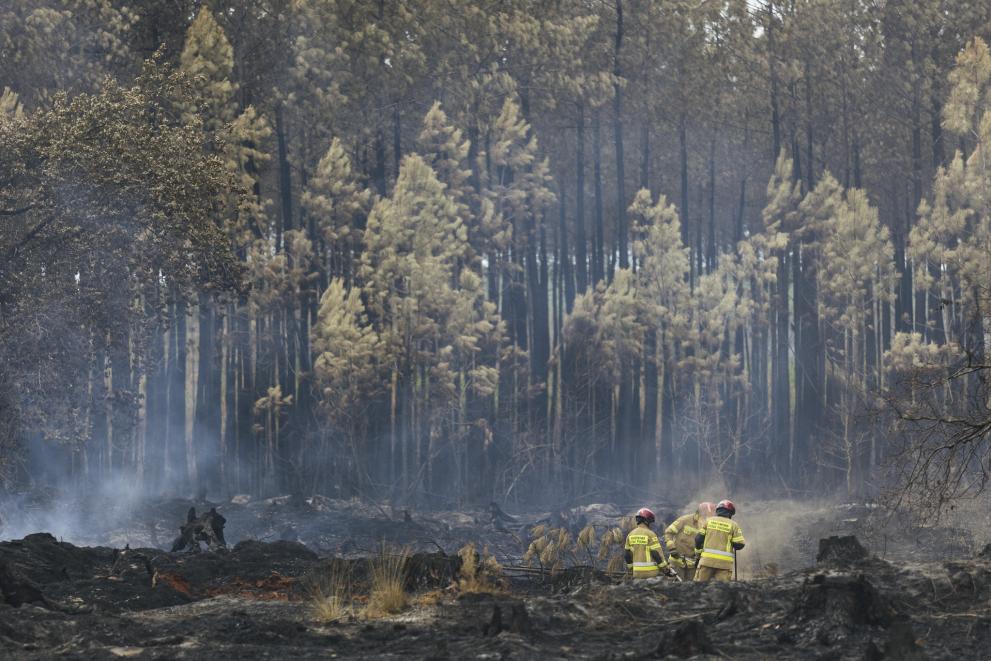
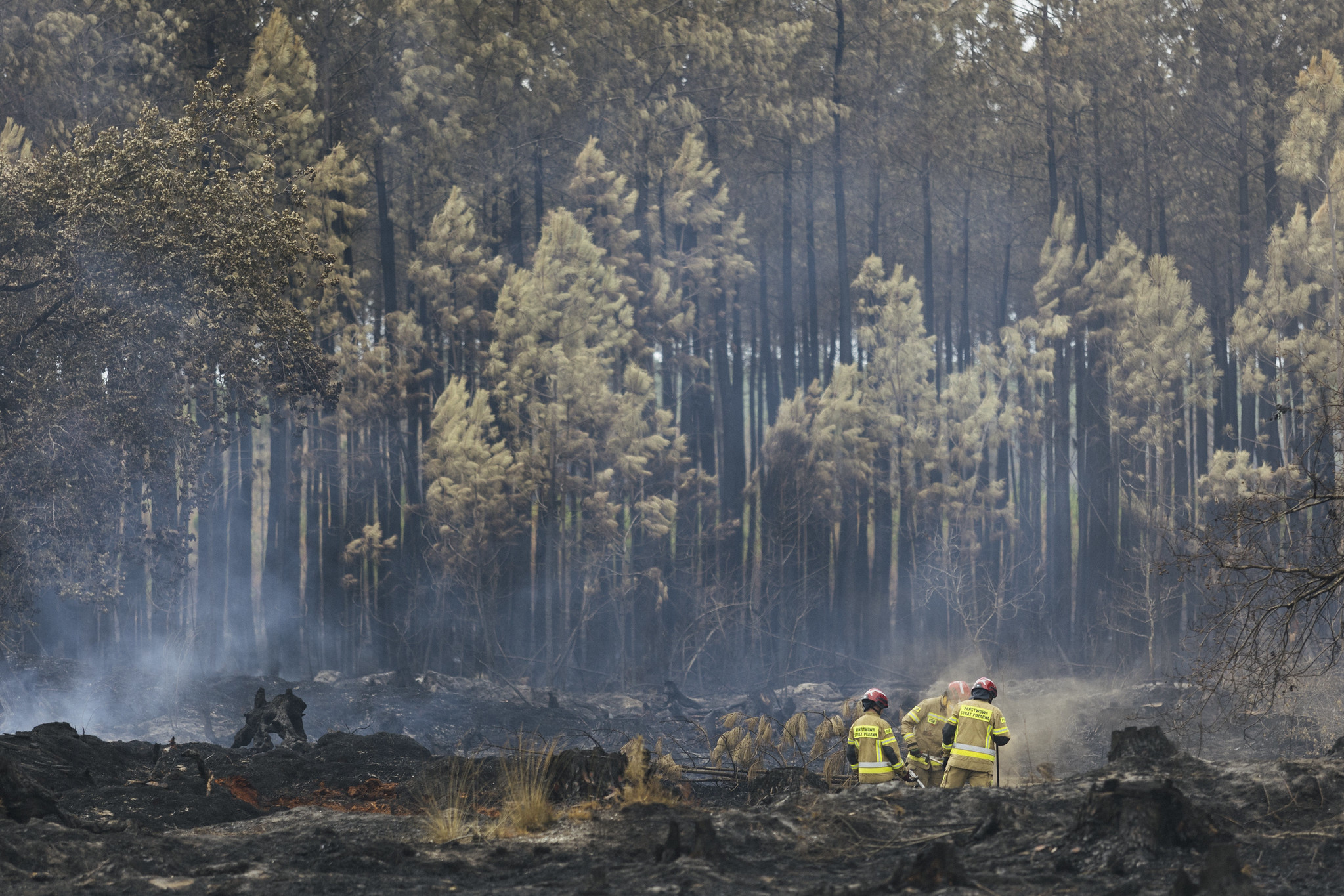
FST wildfires photo album 01In August 2022, several devastating fires burned large areas of forest in France and forced people to flee their homes. 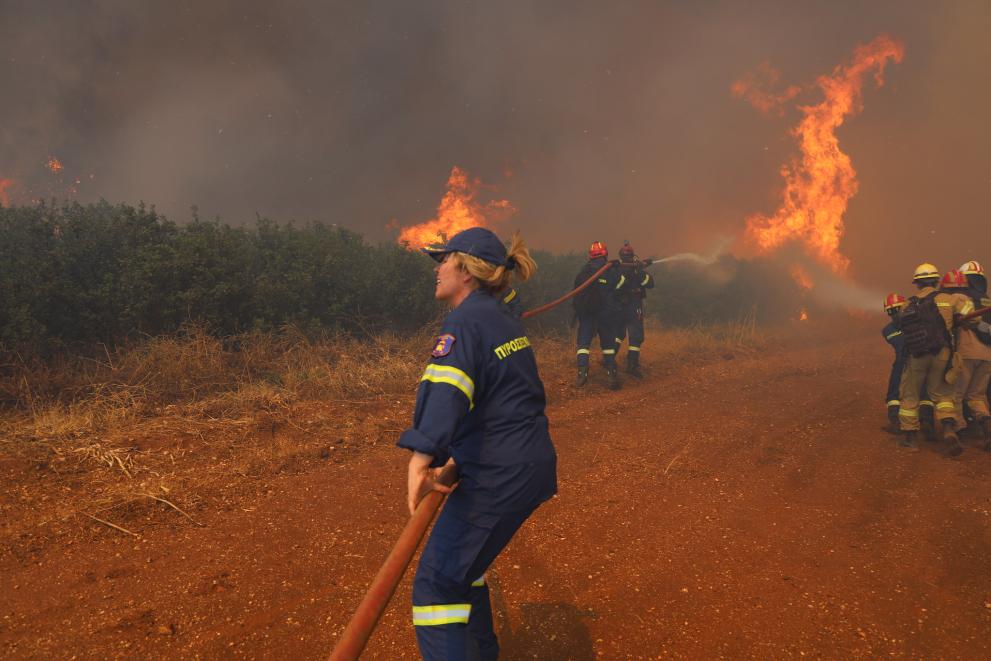
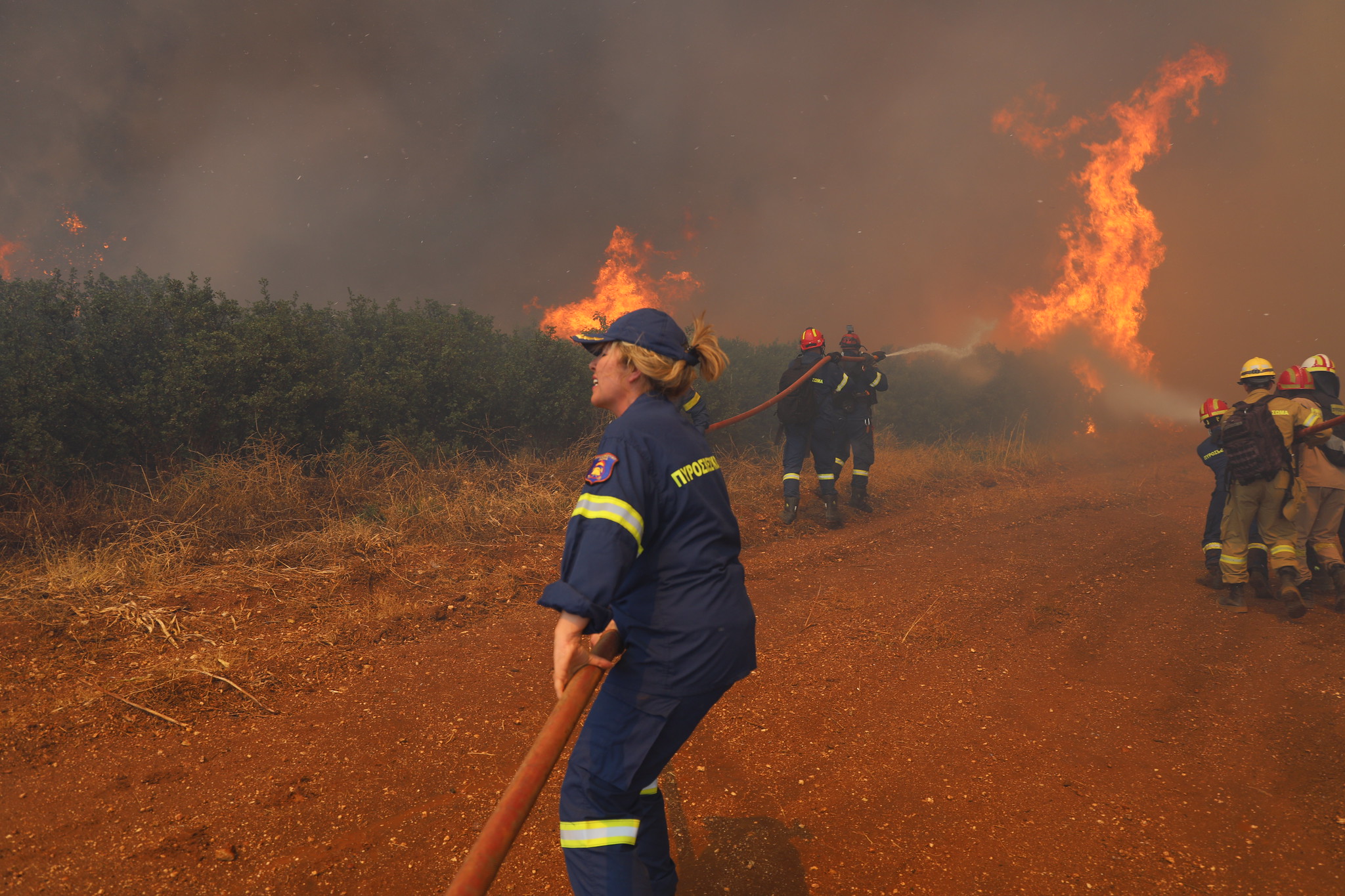
FST wildfires photo album 02In August 2021, immense forest fires broke out in various locations in Greece, including forests close to the city of Athens, on the Peloponnese, on Evia, Rhodes and Crete. 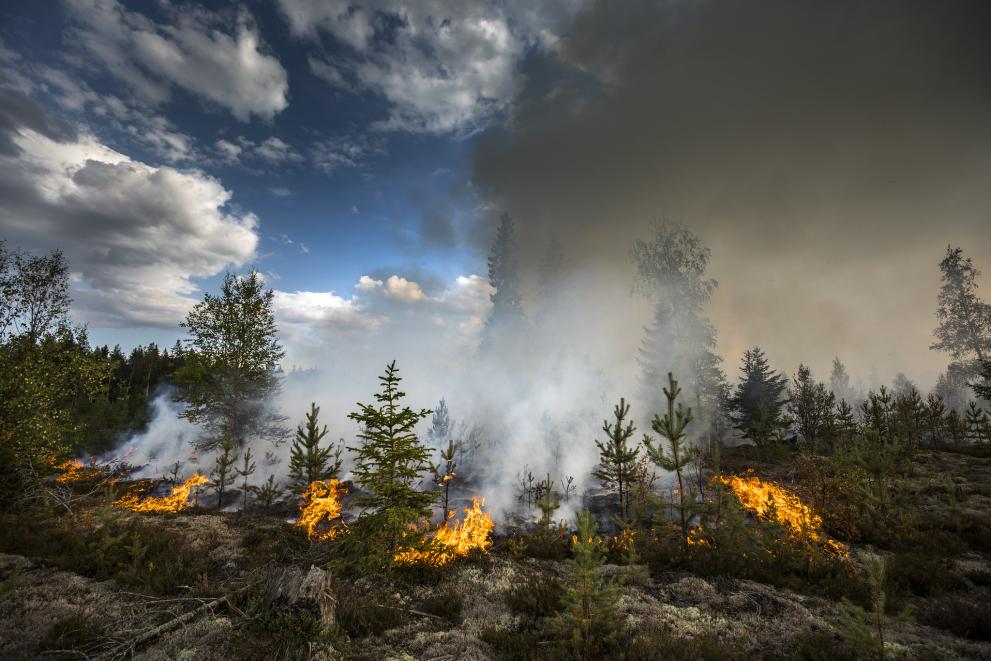
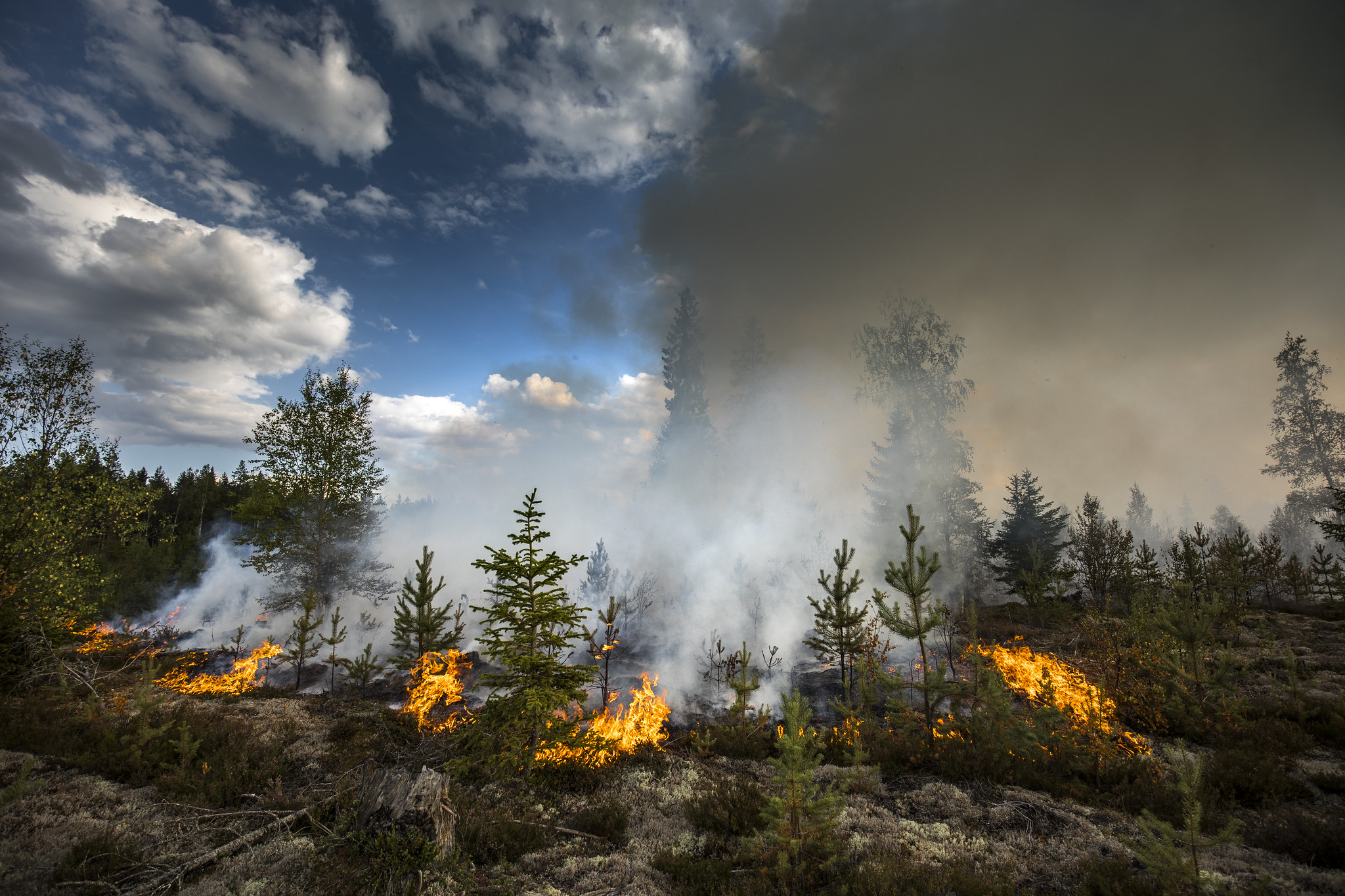
FST wildfires photo album 03In 2018, Sweden experienced one of its most severe wildfire seasons. In the picture, the view of a burning forest in Kårböle.


In total, 20 EU Member States recorded more burned areas than average in 2022.
The wildfire risk expanded to areas that had not previously been exposed, moving well beyond the Mediterranean region. This causes huge societal, environmental, climate and economic losses across Europe.
In 2023, the EU's Emergency Response Coordination Centre (ERCC) channelled assistance to Albania, Bolivia, Canada, Chile, Cyprus, Greece, and Tunisia.
Furthermore, the Copernicus Emergency Management Service (EMS) regularly produces satellite maps on demand to help national authorities respond to wildfires. In the same year, Copernicus has been activated 25 times for wildfires across the globe.
According to EFFIS, the number of fires larger than 30 hectares in the EU countries is 50% above average for this time of the year, while the burnt area is 8% above the average for the 2006-2023 period.
The Copernicus Climate Change Service reported that August 2024 was the joint-warmest August globally (together with August 2023). The average temperature for European land for August 2024 was 1.57°C above the 1991-2020 average for August, making the month the second warmest August on record for Europe after August 2022, which was 1.73°C above average.
How are we helping?
The EU Civil Protection Mechanism coordinates the pan-European assistance. It ensures that all EU Member States and participating states in the Mechanism receive timely information in times of crises and emergencies. Upon its activation by any country worldwide, the Mechanism ensures the rapid deployment of resources and personnel that are tailor-made to fit the needs of each emergency.
At the operational heart of the Mechanism lies the European Commission's Emergency Response Coordination Centre (ERCC). The Centre monitors wildfire risks and emergencies across Europe, supported by national and European monitoring services such as the European Forest Fire Information System (EFFIS).

At the onset of the wildfire season each year, the Centre engages with national authorities from EU Member States and participating states. The aim is to exchange information on the status of prevention, preparedness and response activities and maintain close contact with national authorities throughout the wildfire season.
When an emergency hits, any country can request assistance via the EU Civil Protection Mechanism. They can ask for a coordinated, rapid and effective international response.
When fires of such magnitude occur, Member States and participating states in the Mechanism regularly show solidarity by sending assistance in the form of firefighting planes, helicopters, firefighting equipment, and teams.
Additionally, the Mechanism can co-finance the transport of assistance to the affected area as well as operational costs.
Preparing for the 2024 wildfire season
Since 2019, the EU Civil Protection Mechanism has been reinforced with the rescEU fleet, a European reserve that includes firefighting planes and helicopters and is 100% financed by the EU. The EU also co-finances the stand-by availability of additional aerial firefighting capacities to address potential shortcomings in responding to fires.
For the longer term, the European Commission has invested significant financial resources in the acquisition of 12 new firefighting planes, which will be based in 6 EU Member States, and 3 helicopters. These will become the "permanent rescEU fleet". The first helicopters are expected to be delivered in 2026, and the first planes as of late 2027.
For the 2024 wildfire season, Cyprus, Czechia, Germany, Greece, Spain, France, Croatia, Italy, Portugal and Sweden put together 24 firefighting planes and 4 helicopters at the disposal of other EU Member States in case of an emergency.
In addition, 556 firefighters are pre-positioned in France, Greece, Portugal and Spain coming from 12 different European countries.

For the 2024 wildfire season, Cyprus, Czechia, Germany, Greece, Spain, France, Croatia, Italy, Portugal and Sweden put together 24 firefighting planes and 4 helicopters at the disposal of other EU Member States in case of an emergency.
In addition, more than 550 firefighters were prepositioned in France, Greece, Portugal, and Spain, coming from 12 different European countries, and they helped local fire brigades when forest fires broke out.
Furthermore, the European Civil Protection Pool counts 4 firefighting planes, 13 ground firefighting teams, and 1 team of experts.
In addition to the response, the EU supports and complements the prevention and preparedness efforts of these States by focusing on areas where a joint European approach is more effective than separate national actions. These include risk assessments to identify the disaster risks across the EU, encouraging research to promote disaster resilience and reinforcing early warning tools.
Prevention, preparedness and response work hand in hand to save human lives and limit the further spread of fires. Having experienced wildfire experts, well-trained firefighters, technology, and other assets available near the location of action makes a difference.
While the national and regional authorities of these States manage wildfire prevention, preparedness and response activities, the EU can co-finance and coordinate further support when needed.
Operations in 2024
During the summer and autumn of 2024, the EU Civil Protection Mechanism was activated 14 times for wildfires:

Forest fires in Cyprus
Following a request for assistance from Cyprus through the EU Civil Protection Mechanism, Greece has sent 2 firefighting planes to help fight wildfires in the Paphos region.
Forest fires in Albania
Albania requested assistance via the European Civil Protection Mechanism 3 times in July and once in August.
In mid-July, Greece deployed 2 light aircraft for firefighting, and 2 additional European Civil Protection Pool aircraft were mobilised.
Later that month, Greece deployed 2 more aircraft, and an additional 2 planes from the rescEU reserve in Italy were deployed.
In August, Romania deployed an aircraft with a large water-carrying capacity in response to Albania's request for assistance.
Bulgaria
To fight devastating fires in the country, in mid-July, Bulgaria requested support via the EU Civil Protection Mechanism. In total, 10 planes and 2 helicopters were deployed to assist Bulgarian authorities.
Greece
This summer, many forest fires ravaged parts of Greece. Greece activated the EU Civil Protection Mechanism in August and September, requesting aerial and ground firefighting assistance.
In August, Greece requested 6 planes, 2 helicopters, and 8 ground firefighting teams. Ground teams from Malta, Moldova, and Romania were among the first responders. In total, 2 planes, 2 helicopters, and 8 ground teams (348 firefighters and 115 vehicles) from the Czech Republic, France and Italy were deployed.
The ERCC mobilised aircraft from the rescEU reserve in France and Italy, helicopters from Serbia, and several ground firefighting modules from across Europe.
In late September, Greece again requested assistance for wildfires in the northern Peloponnese. The ERCC mobilised planes from Italy, Croatia, Cyprus, and France, along with helicopters from Serbia and Slovenia, though the latter offer was later cancelled. An ERCC liaison officer was deployed to Athens on 2 October.
North Macedonia
North Macedonia activated the EU Civil Protection Mechanism twice in July, requesting firefighting assistance.
On 30 July, North Macedonia requested 3 planes and 3 helicopters, later amending the request to a total of 10 planes and 7 helicopters. In response, aircraft from the rescEU reserve in Germany, Sweden, and Cyprus, along with helicopters from the Czech Republic, Slovenia, and Serbia, were mobilised. Several spontaneous offers were also accepted, including helicopters from Slovenia and Serbia.
Portugal
Due to fires in the country this summer, Portugal activated the EU Civil protection mechanism twice for firefighting assistance.
On 21 August, Portugal requested 2 planes, and the ERCC mobilised assets from Spain. The request was closed by 28 August after the planes returned to Spain. On 16 September, Portugal requested 8 planes. The ERCC deployed aircraft from Spain, France, and Italy, while a deployment from Greece was cancelled due to weather delays, with France providing replacements.
Guatemala
Due to strong wildfires in the country, Guatemala requested assistance on 29 April, and a Forest Fires Advisory and Assessment Team (FAST) from Spain was deployed to support national authorities.
Bolivia
Bolivia activated the EU Civil Protection Mechanism on 6 August, and France offered 2 firefighting modules with 110 firefighters, but the mission was suspended due to an improved situation.
On 9 September, Bolivia submitted an updated request for aircraft, fuel, equipment, logistics, and food. In response, Spain deployed an 8-expert Forest Fires Advisory and Assessment Team (FAST) and a ground firefighting module with 41 firefighters. On 2 October, Bolivia requested an extension of the FAST mission, and Spain agreed to extend the deployment with 5 additional experts.
Last updated: 19/11/2024
Facts & figures
Wildfires affect all European Union territories, from north to south, east to west
Wildfire prevention, preparedness and response activities are closely intertwined
Upon request, the EU Civil Protection Mechanism helps to coordinate rapid support for wildfires
The rescEU firefighting fleet boosts the EU's ability to prepare for and respond to wildfires